

The Gap Between Offer Accepted and Deal Closed
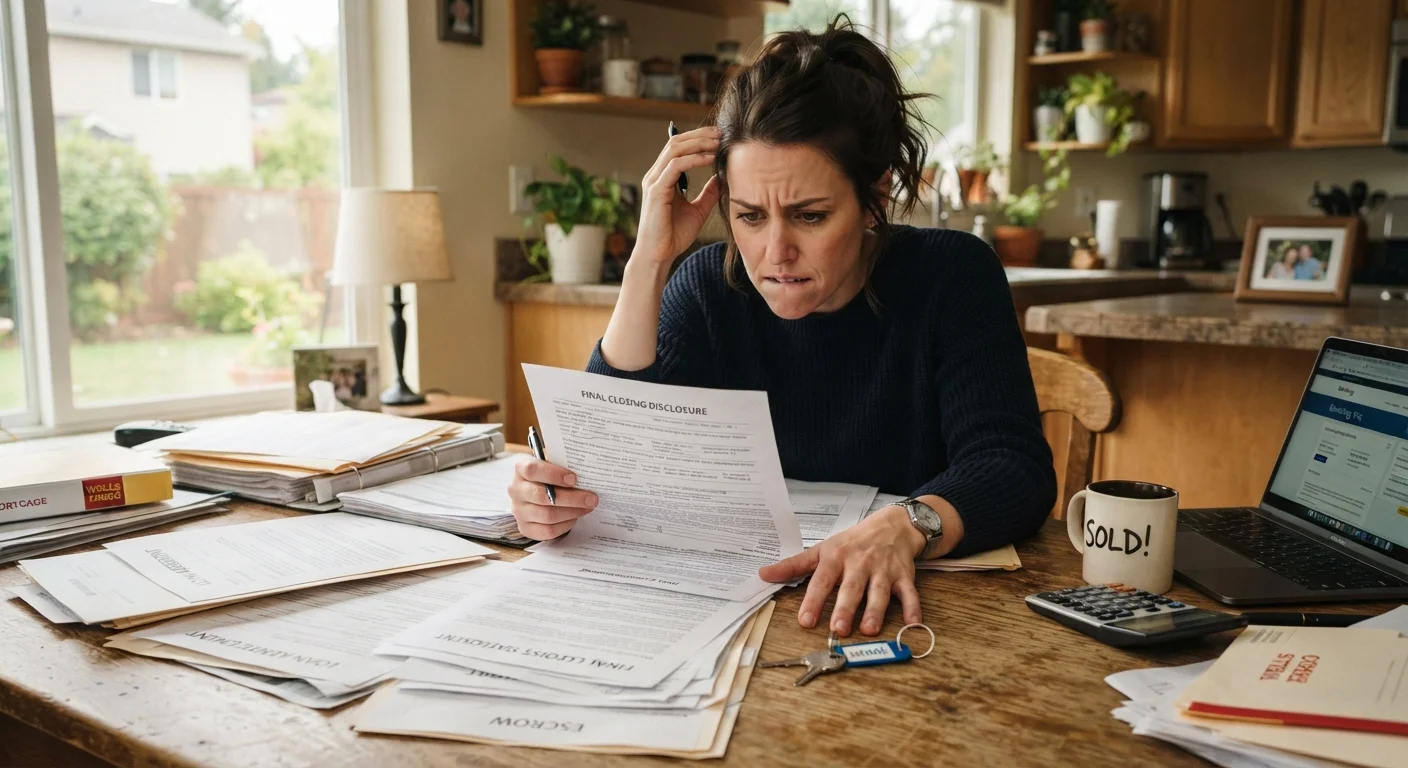
Getting an offer accepted on a home feels like crossing the finish line. In reality, it's closer to the starting gun for a second, more legally complex phase of the transaction. Most deals that fall apart do so not during the search, but in the weeks between contract and closing - and the causes are almost always preventable.
Buyer mistakes in this phase tend to cluster around three themes: financial missteps that change a lender's assessment, procedural shortcuts that eliminate important protections, and emotional decisions that override sound judgment. Understanding where these errors originate is the first step toward avoiding them.
New Debt Before Closing Is Dangerous
Lenders re-verify a buyer's credit and debt load shortly before closing. Opening a new credit card, financing furniture, or taking out a car loan between contract signing and closing can change your debt-to-income ratio enough to trigger a loan denial - even after you've been conditionally approved. Hold all major financial decisions until after the keys are in your hand.
The Most Costly Missteps - and How to Sidestep Them
The errors below represent the most consistent patterns seen across failed transactions. Each one is avoidable with preparation and clear communication with your real estate and lending team.
Skipping mortgage pre-approval and relying on pre-qualification instead.
Why it happens: Many buyers don't know the difference. Pre-qualification is a quick estimate based on self-reported income; pre-approval involves verified documentation and a credit pull.
Taking on new debt or making large purchases between contract and closing.
Why it happens: Buyers naturally start preparing for a new home - buying appliances, opening store credit cards, financing a vehicle. It feels logical but triggers lender re-verification.
Waiving the home inspection without a full understanding of the property's condition.
Why it happens: Competitive bidding wars push buyers to remove contingencies to win. Waiving the inspection feels like a small concession but removes a critical safety net.
Overbidding based on emotion rather than a defined budget ceiling.
Why it happens: After losing multiple offers, buyers feel pressure to win at any cost. Attachment to a specific property overrides financial discipline.
Ignoring the seller's disclosure document or failing to follow up on flagged items.
Why it happens: Disclosure forms are dense, often handwritten or poorly formatted, and buyers receive them alongside dozens of other documents.
Navigating the transaction without proper buyer representation.
Why it happens: Some buyers assume a listing agent will advocate for both parties, or believe they can save money by going unrepresented.
Buyers navigating a competitive market can also benefit from understanding the buyer's agent relationship before their search begins, as proper representation shapes how all of the above risks are managed.
Skipping the Inspection Rarely Pays Off
In fast markets, some buyers waive inspections to make offers more competitive. This strategy carries significant risk: structural problems, outdated electrical systems, or failing HVAC units can cost tens of thousands of dollars after purchase. If you're weighing this option, consult your buyer's agent and consider alternatives like a pre-offer inspection where the seller allows access.
This article is for general informational purposes only and does not constitute legal, financial, or real estate advice. Readers should consult licensed professionals - including a real estate attorney, lender, or buyer's agent - for guidance specific to their situation and location.
The content on this site is provided for informational purposes only and should not be considered a substitute for professional advice. While we strive to provide accurate and up-to-date information, we make no guarantees regarding its completeness or accuracy. Always consult a qualified professional for advice specific to your circumstances before making any decisions