

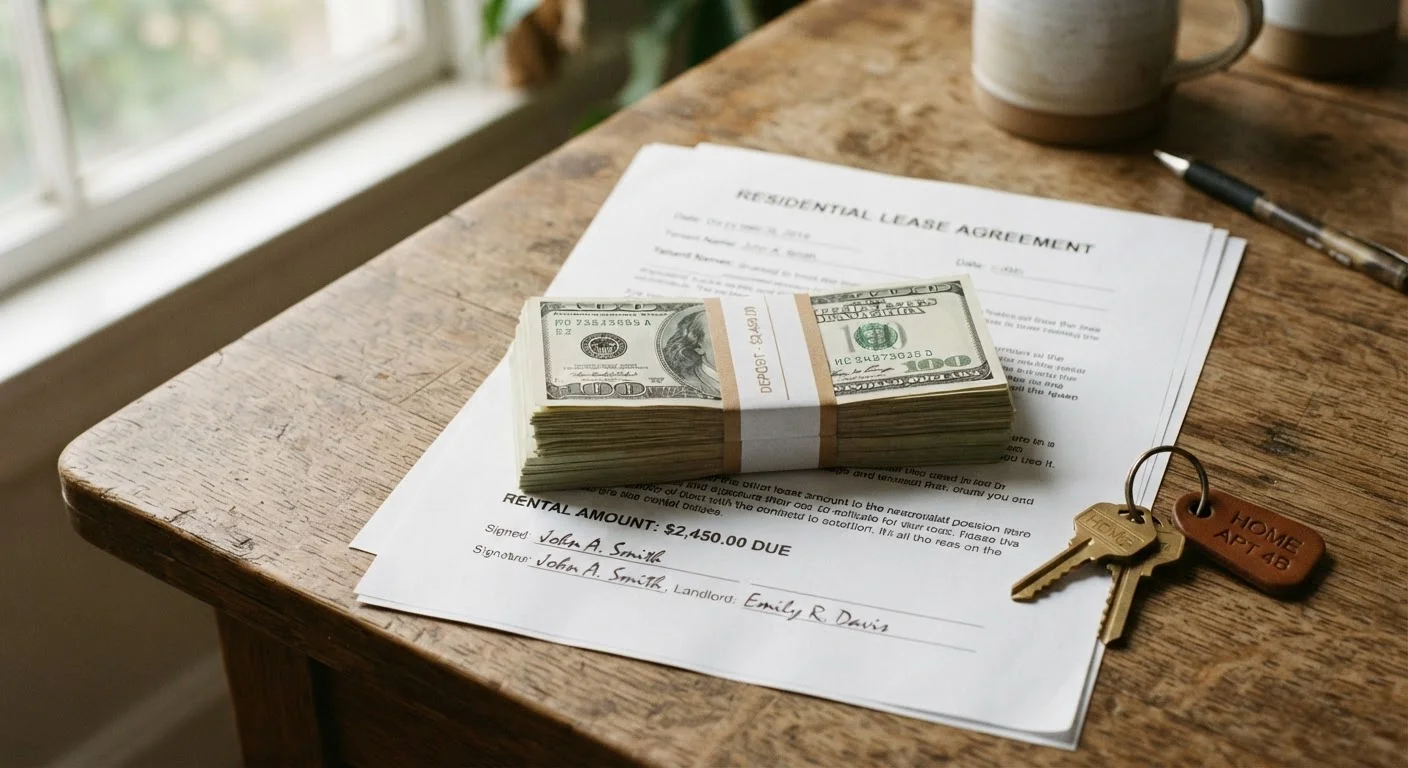
What Landlords Can and Cannot Deduct
When you move out, a landlord may use your deposit to cover specific, documented costs - but state law defines the boundaries tightly. Permissible deductions generally fall into three categories: unpaid rent, damage beyond normal wear and tear, and fees explicitly authorized by the lease (such as professional cleaning if the lease requires it).
What landlords cannot deduct is just as important to understand. Routine maintenance, cosmetic updates the landlord wanted to make anyway, and the natural aging of appliances or paint are considered normal wear and tear - your deposit cannot be used to fund them. A landlord who replaces carpet that was already aging when you moved in, or repaints walls that simply look lived-in, is likely overstepping what the law permits.
Document Everything on Day One
Before unpacking a single box, photograph every room from multiple angles and note any existing damage on a written move-in checklist. Send the checklist and photos to your landlord by email so you have a dated record. This documentation is your primary defense if a deposit dispute arises at move-out.
If you're new to renting and want to understand the full landscape of your rights from the start, our guide on what to know before you sign a lease covers key protections renters often overlook.
How to Protect Your Deposit Before and After the Tenancy
The single most effective step a renter can take is conducting a thorough move-in inspection and documenting it in writing. Walk through every room, photograph every scuff, stain, and broken fixture, and note conditions in a written checklist. Give a copy to your landlord and keep one yourself - ideally submitted by email so you have a timestamp.
At move-out, repeat the same process. A side-by-side comparison of move-in and move-out documentation makes it much harder for a landlord to charge you for pre-existing conditions. Clean the unit thoroughly, return all keys, and get written confirmation of your move-out date. These steps aren't just good habits - they're your primary legal evidence if a dispute arises.
14-30 days
Typical state deposit return window
Most U.S. states legally require landlords to return security deposits within this range after a tenant vacates; some states allow up to 45 days in specific circumstances.
2-3×
Penalty multiplier for wrongful withholding
Several states allow tenants to sue for double or triple the improperly withheld deposit amount as a statutory penalty when landlords fail to follow deposit rules.
1-2 months
Common security deposit cap
Many U.S. states cap security deposits at one to two months' rent, though the specific limit varies by state and, in some cases, by local ordinance.
For a broader look at protections you're entitled to as a tenant, the renter's rights overview is a useful companion to this article.
State Laws, Return Deadlines, and Dispute Options
Because security deposit law is state-level, the rules where you rent matter more than any general guideline. Most states require landlords to return deposits within 14 to 30 days of move-out, along with an itemized statement of any deductions. If your landlord fails to meet the deadline or provides no itemization, many states forfeit their right to make deductions - and some allow tenants to sue for two to three times the withheld amount as a penalty.
If you believe a deduction is wrongful, start by sending a written demand letter - by certified mail or email - citing the applicable statute and the return deadline. If that doesn't resolve it, small claims court is the most accessible legal option for most renters, with filing fees that are typically low and cases that don't require an attorney. Keep copies of your lease, inspection reports, photos, and any written communications throughout the process.
Managing a security deposit wisely also connects to broader financial habits. If you're working to build a financial cushion around housing costs, the Saving & Debt hub offers relevant guidance on building and protecting your savings.
This article provides general information about security deposits for educational purposes. Laws governing security deposits vary by state and locality. Consult a qualified attorney or local tenant advocacy organization for guidance specific to your situation.
Frequently Asked Questions
A landlord can keep all or part of a deposit only for legally permitted reasons - typically unpaid rent, lease-breaking fees spelled out in the lease, or repair costs for damage beyond normal wear and tear. Keeping a deposit for any other reason is generally prohibited by state law, and tenants may be able to recover the withheld amount plus penalties through small claims court.
Normal wear and tear refers to the gradual, expected decline of a unit through ordinary use - scuffed paint, minor carpet wear, or small nail holes from picture hanging. Damage that goes beyond this, such as large stains, broken fixtures, or holes in walls, is typically the tenant's financial responsibility. The line isn't always clear, so documentation at move-in and move-out matters enormously.
Return deadlines are set by state law and typically range from 14 to 30 days after the tenant vacates and returns the keys. Some states allow up to 45 days in limited circumstances. If your landlord misses the deadline, you may be entitled to the full deposit back regardless of any legitimate deductions, depending on your state's statutes.
Some states and cities require landlords to hold deposits in interest-bearing accounts and remit that interest to tenants. Requirements vary significantly - many states have no such requirement. Check your specific state or local tenant protection laws to find out what applies to you.
Start by sending a written demand letter citing the applicable state deadline and requesting the deposit's return. If that fails, small claims court is the most common and accessible legal route - many states allow you to sue for two to three times the wrongfully withheld amount, plus attorney fees in some cases. Document everything in writing before and after you move out.
In most cases, the security deposit is treated as a single amount tied to the lease, not divided among individual tenants. If one roommate causes damage, the entire group may absorb the financial consequence. Understanding how deposit liability works before signing is an important step - see our guidance on <a href="/real-estate/renting-explained/renting-with-roommates-lease-arrangements-and-what-can-go-wrong">renting with roommates</a>.
The content on this site is provided for informational purposes only and should not be considered a substitute for professional advice. While we strive to provide accurate and up-to-date information, we make no guarantees regarding its completeness or accuracy. Always consult a qualified professional for advice specific to your circumstances before making any decisions