

Why So Many Charging Myths Persist
Battery advice circulates faster than battery technology changes. Much of what people "know" about charging dates to the nickel-cadmium and nickel-metal hydride era - technologies that faded from mainstream consumer devices in the early 2000s. Lithium-ion chemistry, which now powers virtually every smartphone, tablet, laptop, and wearable, behaves differently at a fundamental electrochemical level. Advice that was genuinely correct for older cells became folklore that attached itself to new devices.
Manufacturers haven't always helped. Sparse documentation, inconsistent guidance across product lines, and a culture of users passing tips to each other online have kept outdated ideas alive. The result is that well-meaning habits - fully draining before charging, avoiding overnight charging - can persist for years without scrutiny, in the same way home and car maintenance myths can quietly cost people time and money. See how similar myth cycles play out in home maintenance myths that cost homeowners money and popular car maintenance myths.
~500
Typical full charge cycles before noticeable capacity loss
Battery University, an independent resource maintained by Cadex Electronics, notes that most lithium-ion cells retain roughly 80% capacity after approximately 300-500 full discharge cycles.
20-80%
Recommended charge range to maximize battery lifespan
Multiple device manufacturers, including Apple and various Android OEM guidance documents, suggest partial charging within this range puts less electrochemical stress on lithium-ion cells.
What the Evidence Actually Supports
The core guidance from battery researchers and device manufacturers is consistent: lithium-ion batteries last longest when kept in a partial-charge range (roughly 20-80%), kept cool, and not held at 100% for prolonged periods. None of this requires obsessive monitoring - it's more about avoiding the worst-case habits than chasing perfection.
Myth
You should drain your battery to 0% before recharging to keep it calibrated.
Fact
This was relevant for older nickel-cadmium batteries. Lithium-ion batteries - used in virtually every modern phone, tablet, and laptop - actually degrade faster when regularly fully discharged.
The "full discharge" habit comes from a real but outdated concern. Nickel-cadmium (NiCd) cells developed a memory effect, where partial charges could permanently reduce usable capacity. Lithium-ion chemistry works differently: each time a lithium-ion cell drops to near zero, it undergoes extra electrochemical stress. Over hundreds of cycles, this accelerates capacity loss. Plugging in when your device hits 20-30% is genuinely better for long-term battery health.
Myth
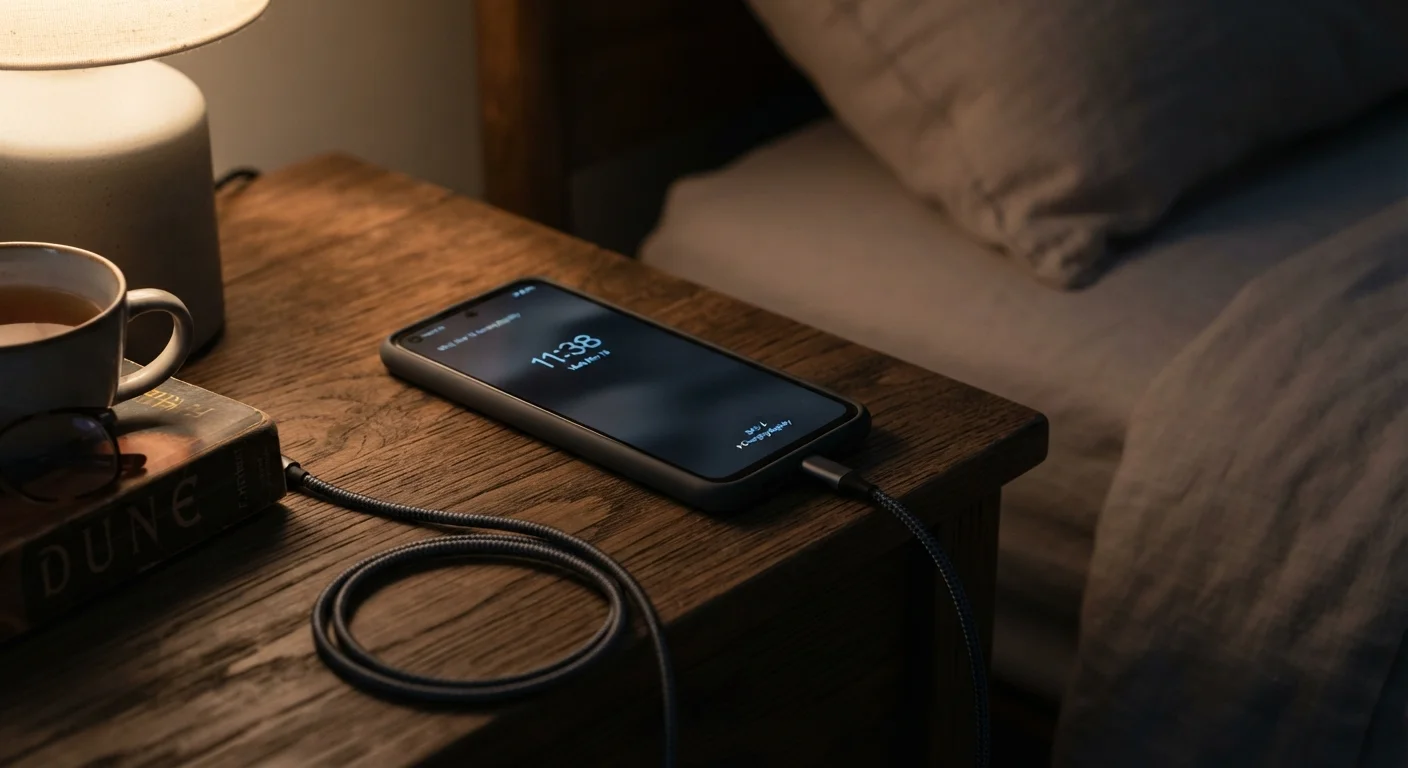
Leaving your phone on the charger overnight will overcharge and ruin the battery.
Fact
Modern devices include charge management hardware that stops actively charging once the battery reaches 100%, preventing true overcharge damage.
Smartphones and laptops have dedicated battery management integrated circuits (ICs) that communicate with the charger to throttle or halt current when the battery is full. Some operating systems - including recent versions of iOS and Android - go further with adaptive charging features that learn your routine and deliberately slow the final charging phase overnight. That said, holding a battery at 100% for extended periods does cause mild trickle stress. If maximum longevity matters, unplugging at 80-90% is slightly better, but overnight charging is not the disaster it's often portrayed as.
Myth
You must use the charger that came in the box - any other brand will damage your battery.
Fact
The charger brand matters far less than whether it meets the correct voltage and amperage specifications and carries legitimate safety certification.
A third-party charger that matches your device's power delivery (PD) specifications and holds a recognized safety certification (such as UL Listed) is generally safe. The real concern is with uncertified, counterfeit accessories that may not regulate voltage reliably. Check the spec label on any charger for output voltage and amperage, and compare it to what your manufacturer recommends. For more on how your device manages energy, see what's actually happening inside your smartphone battery.
Myth
Wireless charging is harder on batteries than wired charging.
Fact
Wireless (inductive) charging generates more heat than wired charging, and heat - not the charging method itself - is what stresses battery cells.
Inductive charging is inherently less efficient than wired charging, with some energy lost as heat during the transfer. It's that heat, rather than anything unique about wireless power, that can slightly accelerate battery wear if conditions are poor - for example, charging wirelessly inside a thick case or on a pad that runs warm. Using wireless charging in a cool environment with a well-ventilated pad is unlikely to cause meaningful harm. Wired charging at rated wattage is simply more efficient and generates less ambient heat under identical conditions.
Myth
Fast charging damages your battery significantly compared to standard charging.
Fact
Fast charging generates more heat during the rapid phase, but most implementations automatically slow to a trickle as the battery fills - limiting cumulative stress.
Modern fast-charging protocols (such as USB Power Delivery and proprietary standards from various manufacturers) are designed to charge aggressively only in the lower charge range - typically below 50-80% - then step down. This is where the battery tolerates higher current best. The final portion charges slowly regardless. The net effect on long-term capacity is modest. Chronic exposure to heat remains the larger concern. If you frequently charge in hot environments or notice your device getting unusually warm during fast charging, switching to standard charging in those conditions is reasonable.
[important_callout]Charging-related anxiety also sometimes distracts from more impactful factors. Screen brightness, background app activity, and software inefficiencies often drain battery capacity far faster than charging habits affect long-term health. For a grounded look at what actually depletes your battery day to day, see why your smartphone battery drains so fast. And if you're drawn to debunking myths in other areas of daily life, common myths about internet speeds applies the same fact-first lens to home connectivity.
Uncertified Chargers Carry Real Risks
Counterfeit or uncertified charging accessories may lack proper voltage regulation and surge protection. While they often work fine day-to-day, they can deliver inconsistent power that stresses battery cells over time - and in rare cases, pose safety hazards. Look for chargers that carry recognized safety certification marks appropriate to your region (such as UL Listed in the US).
The content on this site is provided for informational purposes only and should not be considered a substitute for professional advice. While we strive to provide accurate and up-to-date information, we make no guarantees regarding its completeness or accuracy. Always consult a qualified professional for advice specific to your circumstances before making any decisions