

Why Travel Safety Myths Persist
American travelers face a cluttered information landscape: sensationalized news coverage, anecdotal social media posts, and well-meaning but outdated advice from friends and family. The result is a set of deeply held beliefs about travel safety that often have little grounding in how risk actually works on the road. Some myths make travelers overly fearful of safe situations; others create a false sense of security in genuinely risky ones. Both are costly.
The following myth-and-fact pairs address the most common misconceptions we encounter - drawn from traveler behavior patterns, documented incident types, and guidance from travel safety professionals and government advisories. Our goal is to replace vague anxiety with practical, evidence-based awareness.
Myth
Traveling alone is significantly more dangerous than traveling with others.
Fact
Solo travel carries specific risks, but group travel introduces its own vulnerabilities - neither is categorically safer.
Many Americans assume a travel companion automatically equals greater safety. In reality, safety outcomes depend far more on preparation, situational awareness, and destination knowledge than on the number of people in your party. Solo travelers often stay more alert and make more deliberate decisions precisely because they cannot rely on others. That said, solo travelers should share itineraries with a trusted contact at home and check in regularly. See how safety considerations differ between solo and group travel for a detailed breakdown of both scenarios.
Myth
Your hotel room is automatically a safe space - the lock on the door is enough.
Fact
Hotel room security varies widely, and standard door locks have well-documented vulnerabilities.
Door locks, including electronic key-card systems, can be compromised or malfunctioning in ways guests have no way of detecting at check-in. In-room safes are a useful supplement but are not rated for high-value storage. Practical steps that meaningfully improve room security include using the secondary door latch or travel door alarm, never leaving valuables visible, and confirming your room number isn't announced loudly at the front desk. Assumptions that create real travel risk covers this and other common errors in traveler thinking.
Myth
Tourist areas are the most dangerous parts of any destination.
Fact
Tourist zones often have elevated police presence and commercial oversight, but they do attract specific crimes like pickpocketing and scams.
The belief that tourist districts are inherently the most dangerous areas of a city is not supported by the evidence. These zones typically have higher foot traffic, commercial security, and law enforcement visibility. However, the concentration of distracted visitors makes them attractive for opportunistic theft, overcharging, and scams targeting unfamiliar travelers. The more accurate framing: tourist areas carry a distinct risk profile rather than a higher overall danger level. Staying alert in crowds and using the habits experienced travelers rely on goes a long way in these environments.
Myth
Travel insurance covers everything that could go wrong on a trip.
Fact
Travel insurance policies contain significant exclusions, coverage caps, and conditions that many policyholders only discover after a claim is denied.
Standard travel insurance often excludes pre-existing medical conditions, adventure activities, civil unrest, and losses arising from unenforced travel advisories. Coverage limits for medical evacuation, baggage, and trip cancellation can be far lower than travelers assume. Reading your policy's Summary of Benefits and the full exclusions section before departure - not after - is the only way to understand what you're actually covered for. If in doubt, contact your insurer directly with specific scenarios before you travel.
Myth
If a neighborhood looks fine, it is safe to walk around freely at any hour.
Fact
Visual appearance is an unreliable indicator of neighborhood safety, especially for visitors unfamiliar with local context.
Areas that appear calm and well-maintained during daylight hours can have very different risk profiles at night or during specific local events. Travelers lack the contextual knowledge locals carry - which blocks to avoid at certain hours, which gatherings signal tension, or which routes are poorly lit after dark. A combination of local advice (from hotel staff, tourist offices, or destination-specific forums) and up-to-date government travel advisories provides more reliable guidance than visual assessment alone. Always verify safety information through foundational travel safety practices before exploring unfamiliar areas independently.
Myth
A smartphone with maps and translation apps is all the navigation backup you need.
Fact
Smartphone reliability depends entirely on battery life, mobile data coverage, and service availability - none of which are guaranteed abroad.
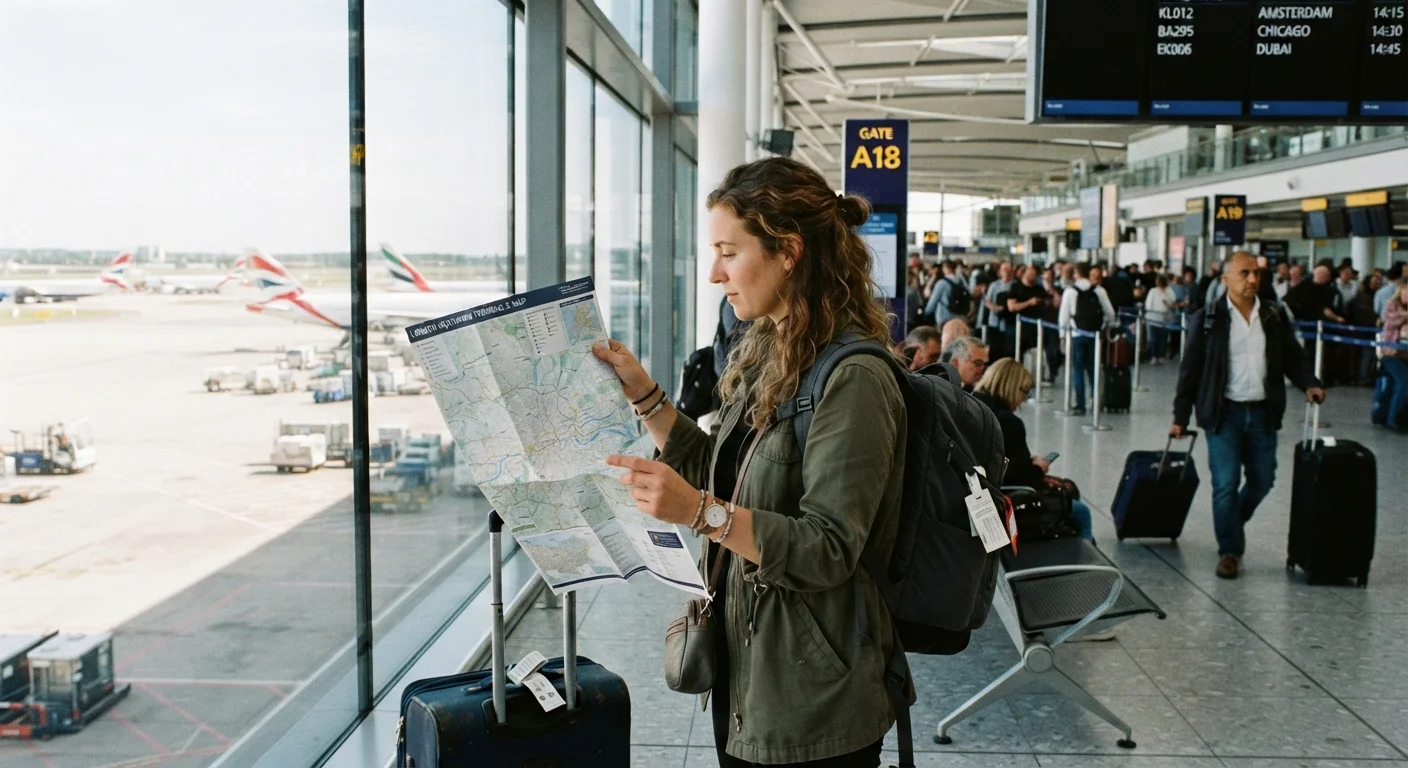
Roaming data can fail in rural areas, at border crossings, or during network outages. Battery drain accelerates when a phone constantly searches for a signal. Travelers who rely exclusively on a device for navigation, translation, and emergency contacts are exposed when that device fails. Printed copies of key information - accommodation addresses in the local language, emergency numbers, and a simplified map - add a layer of resilience that costs almost nothing and can matter significantly when technology fails.
Building Safety Habits That Actually Work
Correcting myths is only the first step. What separates travelers who consistently stay out of trouble from those who don't is rarely luck - it's a set of repeatable habits applied before and during every trip.
Don't Rely on Assumptions About Coverage
Many travelers purchase travel insurance without reading the full policy document. Exclusions for pre-existing conditions, adventure activities, and unenforced travel advisories are common and can result in denied claims at the worst possible moment. Request a copy of your full policy - not just the marketing summary - and read it before your departure date.
Before departure, verify entry requirements, vaccination recommendations, and any active travel advisories through official government sources such as the U.S. Department of State's travel advisory portal. Conditions change, and information that was accurate six months ago may not reflect the current situation at your destination.
On the ground, the most effective safety practices are also the simplest: keep copies of your passport and insurance documents in a separate bag from the originals, use a secondary contact method beyond your smartphone, and stay aware of your surroundings in unfamiliar environments. These habits don't require special training - they require intention. For a structured framework, our foundational safety guide for first-time travelers walks through each step in practical detail.
This article provides general travel safety information for educational purposes. Always verify destination-specific conditions, entry requirements, and safety advisories through official government and provider sources before traveling. This content does not constitute legal, medical, or insurance advice.
The content on this site is provided for informational purposes only and should not be considered a substitute for professional advice. While we strive to provide accurate and up-to-date information, we make no guarantees regarding its completeness or accuracy. Always consult a qualified professional for advice specific to your circumstances before making any decisions