

Our Verdict
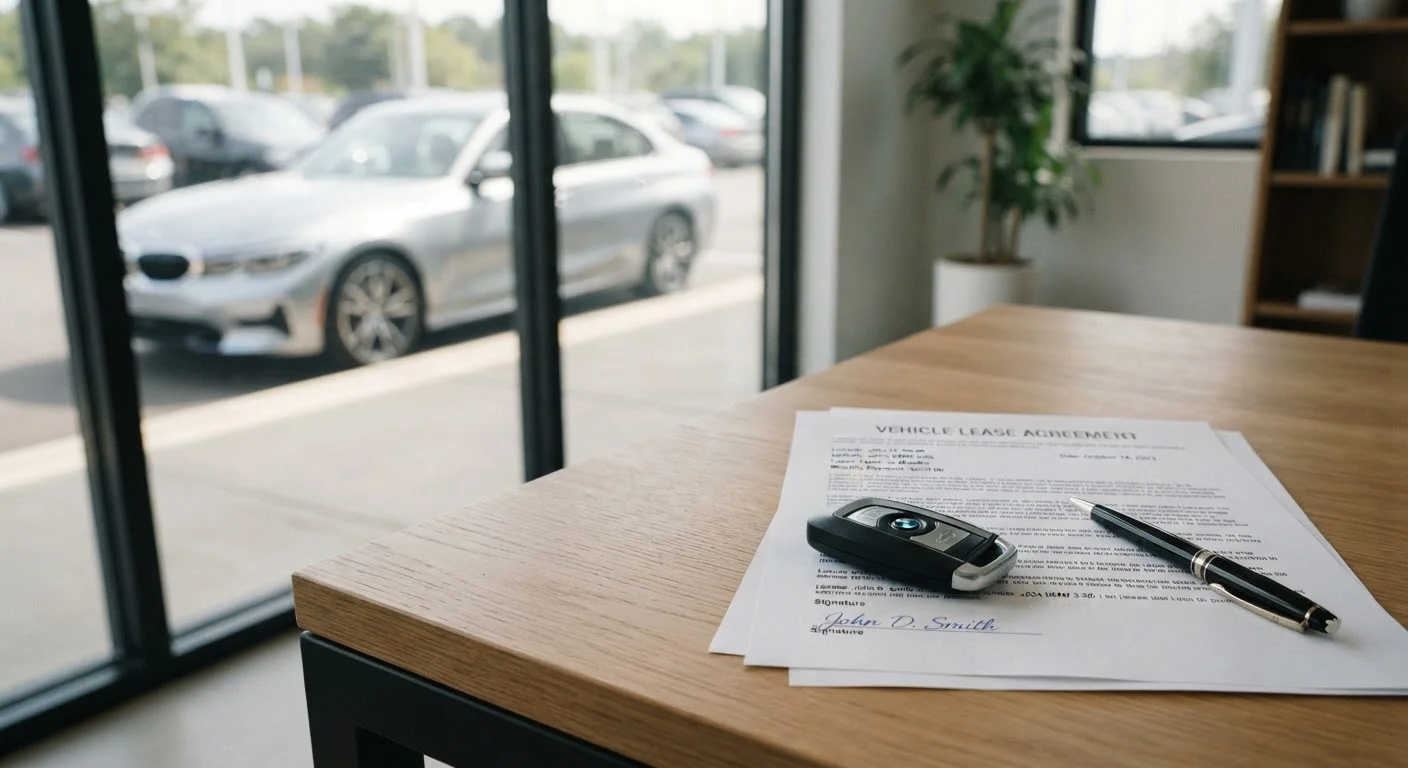
Leasing is a legitimate option - not a trick and not a bargain. It delivers lower monthly payments and a predictable near-term driving experience, but it trades away equity and flexibility in return. Over a decade of vehicle use, buying and keeping a car is almost always less expensive. Leasing fits a specific financial and lifestyle profile, and understanding that profile honestly is the most important step before you sign anything.
Leasing is best suited to drivers who prioritize having a newer vehicle with up-to-date safety technology, drive a consistent and modest number of miles annually, and prefer predictable monthly costs over long-term asset building.
How a Car Lease Actually Works
A lease is essentially a long-term rental agreement between you and a financing company - usually the automaker's own financial arm or a bank. You pay for the portion of the vehicle's value you expect to use during the lease term, plus interest charges (called the money factor) and fees. At the end of the term, the car goes back unless you choose to purchase it.
Two numbers define what you'll pay monthly: the capitalized cost (the agreed selling price of the vehicle) and the residual value (the projected worth of the car at lease end, set by the lessor). The gap between those two figures, spread across the lease term plus the money factor applied to both, produces your payment. A higher residual means a lower payment - which is why vehicles that hold their value well are often cheaper to lease relative to their sticker price.
You'll also encounter mileage allowances, typically 10,000 to 15,000 miles per year. Exceeding that cap triggers per-mile overage fees at lease return, commonly ranging from 15 to 25 cents per mile depending on the contract. Those fees can add up quickly if your driving habits change mid-lease.
Leasing Is a Finance Product, Not Just a Rental
Unlike renting a car for a week, a vehicle lease is a binding financial contract with credit implications, early-termination penalties, and specific insurance requirements. Lessors typically require higher liability coverage minimums than a state's legal minimum. Review any lease agreement carefully - and consider having a knowledgeable person review the terms - before signing. For a general primer on what lease contract clauses mean and which terms may be negotiable, the concepts in this overview of lease agreements can provide useful framing, even though it addresses residential leases.
It's worth understanding how lease financing compares to a traditional auto loan. See our overview of dealer vs. bank financing options to put your choices in context.
What You Own - and What You Don't
This is the clearest distinction in any lease: you do not own the vehicle. The title remains with the lessor throughout the entire term. You have the right to drive the car within the contract's terms, but you have no equity stake in it. Any appreciation in the vehicle's market value (unusual, but possible with some vehicles during supply shortages) flows to the lessor, not to you.
You are, however, fully responsible for the car's condition. Lessors define acceptable wear and tear - typically minor scuffs and interior wear consistent with normal use. Anything beyond that standard at return means a bill. Dents, cracked windshields, worn tires, and significant interior stains are common sources of end-of-lease charges that catch lessees off guard.
Most leases do allow a purchase option at the end of the term, usually at or near the predetermined residual value. Whether that's a good deal depends on what the car is actually worth in the used market at that moment. If the residual was set conservatively and the car is worth more, buying it out can make financial sense. If the car's market value has dropped below the residual, you're better off returning it and moving on.
10-15¢-25¢
Typical per-mile overage fee range
Most lease contracts set excess mileage fees between 15 and 25 cents per mile, meaning 5,000 extra miles could add $750-$1,250 at return.
24-36 mo.
Most common U.S. lease term length
The majority of new-vehicle leases in the United States run for two to three years, aligning roughly with manufacturer warranty coverage periods.
$500-$1,000
Typical acquisition fee at lease start
Most captive finance companies and banks charge an upfront acquisition fee that is either paid at signing or rolled into the capitalized cost of the lease.
The Real Cost Picture
Lower monthly payments are the headline appeal of leasing, and they're real - you're financing depreciation, not the full vehicle value. But the full cost picture requires looking further than the monthly figure.
Consider a driver who leases continuously for ten years across multiple vehicles, versus one who finances a car and drives it for ten years. The long-term owner typically spends more in the middle years on maintenance and repairs - a reality explored in depth in our article on long-term vehicle ownership costs. But by the end of that period, the owner holds an asset with residual value and no monthly payment. The perpetual lessee has made payments throughout and owns nothing.
Additional lease costs to account for before signing:
- Acquisition fee: A fee charged by the financing company at the start of the lease, often $500-$1,000, sometimes rolled into payments.
- Disposition fee: Charged at lease end if you return the vehicle and don't lease or buy another from the same company - typically $300-$500.
- Gap coverage: If the car is totaled, standard auto insurance may only pay current market value, which could be less than what you owe under the lease. Gap coverage (often built into leases or available as an add-on) covers that difference.
- Early termination penalties: Ending a lease before the term expires is expensive. Breaking a lease early typically means paying the remaining payments plus fees - there's little flexibility once you've signed.
Pros and Cons at a Glance
Weighing leasing against buying isn't a one-size-fits-all calculation. Your driving habits, financial priorities, and how long you typically keep a vehicle all shape which option makes more sense for your situation.
Lower monthly payments than comparable loan
Because you're only financing the vehicle's depreciation during the lease term, monthly payments are typically meaningfully lower than a purchase loan on the same vehicle - freeing up cash flow for other expenses.
Predictable near-term maintenance costs
Most lease terms align with the manufacturer's bumper-to-bumper warranty period, meaning major unexpected repair costs are largely covered. You're driving a newer vehicle during its most reliable years.
Access to a newer vehicle more frequently
Drivers who prioritize current safety technology, fuel efficiency improvements, or updated features can cycle into a new vehicle every two to three years without the hassle of selling or trading in.
No long-term depreciation risk
The lessor absorbs the risk of the vehicle's residual value. If the car depreciates faster than projected, that's not your financial problem - you return it and walk away.
Lower upfront cash outlay in many cases
Down payments (called capitalized cost reductions in lease terminology) can often be kept lower than a purchase down payment, though putting too little down increases your monthly payment.
On the other side of the ledger, several disadvantages are significant enough to rule out leasing for many drivers.
No equity built - nothing owned at term end
Every payment goes toward use, not ownership. Unless you exercise a purchase option, you end the lease with no asset and must start over - either with another lease payment or a vehicle purchase.
Mileage limits restrict driving flexibility
If your commute changes, you take a long road trip, or your life circumstances shift, you may find yourself paying significant per-mile overage fees that were impossible to predict when you signed.
Early termination is costly and difficult
Leases are structured financial instruments, not month-to-month arrangements. Exiting early almost always means paying the bulk of remaining payments plus penalties, leaving very little flexibility if your situation changes.
Wear-and-tear standards can lead to surprise charges
Lessors define acceptable condition, not lessees. Charges for tires, minor dents, or interior wear at return can run into hundreds of dollars and are often disputed without success.
Higher total cost over many years of vehicle use
A driver who leases continuously for a decade will almost always spend more in total than one who purchased a vehicle and kept it through the same period, despite the lower monthly payments along the way.
Customization and modification are prohibited
The vehicle must be returned in its original configuration. Any modifications - even minor ones - must be reversed before return, making leasing incompatible with drivers who personalize their vehicles.
This article is for general informational purposes only. It does not constitute financial, legal, or contractual advice. Lease terms vary widely by lender, vehicle, and region. Consult a qualified financial professional before making vehicle financing decisions based on your personal circumstances.
The content on this site is provided for informational purposes only and should not be considered a substitute for professional advice. While we strive to provide accurate and up-to-date information, we make no guarantees regarding its completeness or accuracy. Always consult a qualified professional for advice specific to your circumstances before making any decisions