

Why Vehicle Fluids Matter
Your car depends on a carefully balanced system of fluids to protect its components, transfer force, regulate temperature, and keep moving parts from grinding against each other. When any of these fluids run low or degrade, the consequences range from reduced performance to serious mechanical damage - sometimes without obvious warning until it's too late.
The good news: understanding what each fluid does and where to find it requires no mechanical background. It's one of the simplest, highest-value habits any driver can build. For a broader introduction to vehicle upkeep, see our practical starting point for new drivers.
| Number of key vehicle fluids | 6 primary fluids |
| Recommended oil check frequency | Monthly (engine cold, car level) |
| Coolant check safety rule | Never open radiator cap when engine is hot |
| Brake fluid risk sign | Soft or spongy brake pedal |
| Transmission fluid warning sign | Dark red color or burning smell |
| Best fluid reference source | Your vehicle's owner's manual |
The Six Fluids Every Driver Should Know
Engine Oil
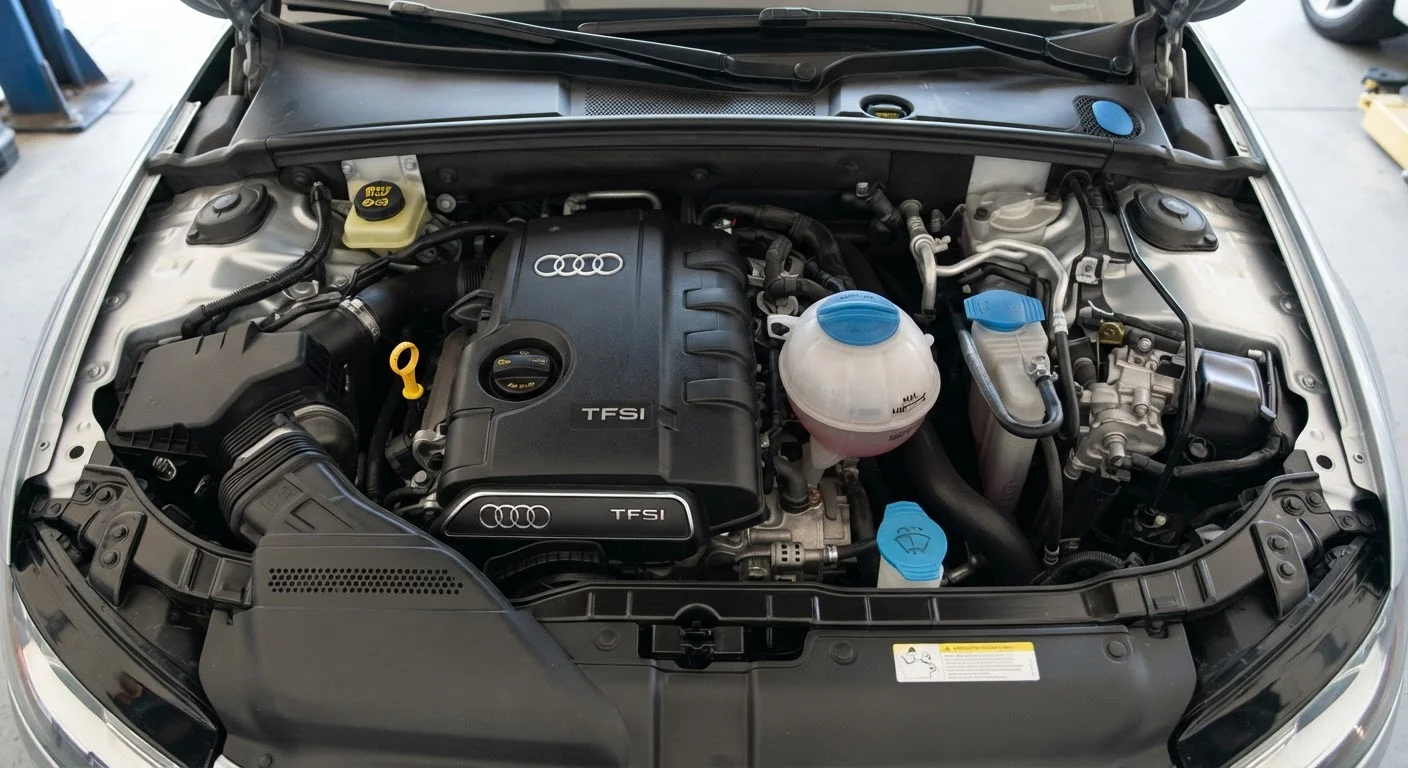
Engine oil lubricates moving metal components inside your engine, reducing friction and carrying heat away from critical parts. It also suspends combustion byproducts so they can be filtered out. Oil degrades over time - it darkens, thickens, and loses its protective properties. Check the dipstick monthly; the oil should sit between the min and max marks and appear amber to light brown. Black, gritty, or milky-colored oil signals a problem worth a mechanic's attention.
Coolant (Antifreeze)
Coolant circulates through the engine and radiator to prevent overheating in summer and freezing in winter. It's typically a 50/50 mix of antifreeze and distilled water. Check the coolant reservoir (never open the radiator cap on a hot engine - serious burn risk) and look for the level to fall between MIN and MAX. Low or discolored coolant can lead to engine overheating quickly. Fluid management also shifts with the seasons - see our seasonal vehicle prep guide for more context.
Brake Fluid
Brake fluid transmits the force you apply to the pedal through hydraulic lines to the brake calipers. It absorbs moisture over time, which lowers its boiling point and can compromise braking performance. If your brake pedal feels soft or spongy, low or degraded brake fluid may be a contributing factor - have a qualified mechanic inspect the system promptly. This is not a DIY fluid to ignore.
Power Steering Fluid
In vehicles with hydraulic power steering, this fluid enables effortless wheel turning. A whining noise when turning the wheel or stiff steering can both indicate low fluid levels. Many newer vehicles use electric power steering and don't require this fluid at all - check your owner's manual.
Transmission Fluid
Transmission fluid lubricates gears and clutch packs, and keeps the transmission cool. In automatic transmissions, it also acts as a hydraulic fluid. Burnt or dark red fluid - or a burning smell - often indicates it needs replacement. Some modern vehicles have sealed transmissions with no dipstick, making professional service necessary.
Windshield Washer Fluid
The only fluid on this list with no mechanical consequence if it runs out, washer fluid still matters for visibility and safety. Use a purpose-made washer fluid rated for your climate - plain water can freeze in cold weather and doesn't clean as effectively.
Hydraulic fluid
A fluid that transmits force through pressure in a closed system. Brake fluid and power steering fluid are both hydraulic fluids in a vehicle context.
Viscosity
A measure of a fluid's resistance to flow. Engine oil is rated by viscosity grades (e.g., 5W-30); the right grade ensures proper lubrication across temperature ranges.
Coolant reservoir
A translucent plastic tank near the radiator where you can safely check and add coolant without opening the pressurized radiator cap.
Dipstick
A long metal rod inserted into the engine oil pan that lets you check the current oil level and condition without tools.
Sealed transmission
A transmission design with no accessible dipstick or user-serviceable fluid check point, requiring a dealer or mechanic for fluid inspection and replacement.
Reading the Warning Signs
Dashboard warning lights flag some fluid issues - a low oil pressure light or coolant temperature warning demands immediate attention and pulling over safely. But many fluid problems don't trigger a light until damage is already underway.
Develop a habit of visually checking fluid levels at least once a month, ideally when the engine is cool and on a level surface. Look for puddles under the car after parking: oily spots toward the front often indicate oil or coolant leaks; reddish fluid near the center suggests transmission fluid. Clear water near the rear is usually harmless condensation from the air conditioning system.
Understanding what's normal for your specific vehicle is key - your owner's manual lists the correct fluid specifications and service intervals. Some commonly repeated advice about service intervals turns out to be outdated; our article on popular car maintenance myths covers which rules of thumb still hold up.
For tasks beyond checking and topping off - especially brake fluid, coolant system flushes, or transmission service - consult our guide to DIY vs. shop maintenance to understand when professional service is the safer choice.
When to See a Mechanic Immediately
If your oil pressure warning light, coolant temperature warning, or brake system light illuminates while driving, treat it as an urgent signal - not something to defer. Pull over safely when possible and avoid driving further until the issue is diagnosed. Continuing to drive with critically low or compromised brake fluid or coolant can cause rapid, severe damage or create a safety hazard. When in doubt, a professional inspection is always the right call.
The content on this site is provided for informational purposes only and should not be considered a substitute for professional advice. While we strive to provide accurate and up-to-date information, we make no guarantees regarding its completeness or accuracy. Always consult a qualified professional for advice specific to your circumstances before making any decisions