

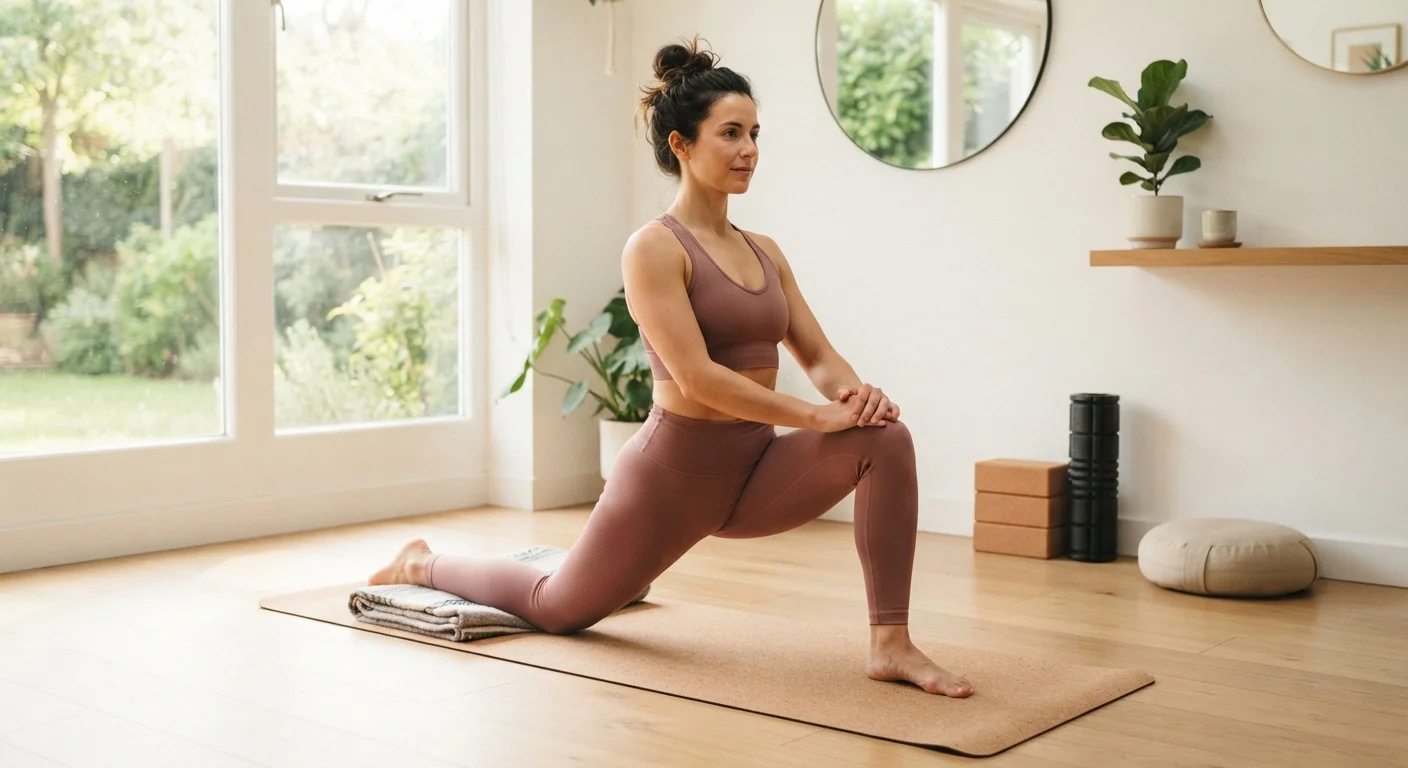
What Mobility Actually Means
Mobility is one of those fitness terms that gets used loosely - sometimes interchangeably with flexibility, sometimes as a catch-all for stretching. The distinction matters more than most people realize.
At its core, mobility describes a joint's ability to move actively through its intended range of motion with muscular control. The key word is active. When you perform a passive stretch - relaxing into a hamstring hold, for example - you are training flexibility, or the muscle's capacity to lengthen under low load. Mobility asks more: can you move the joint there deliberately, and can you control it once you arrive?
A useful mental model is the difference between being pushed into a deep squat position versus lowering yourself into one with full control. Both require some flexibility in the hips and ankles, but only the second requires genuine mobility. This distinction is central to why mobility work is increasingly recognized as a distinct and important component of physical fitness, sitting alongside strength, endurance, and balance. For a broader look at how exercise types interact, see how different types of exercise work.
65-80%
Share of lower back pain cases linked to movement dysfunction
Research in physical therapy literature consistently associates a significant proportion of non-specific lower back pain with mobility limitations and compensatory movement patterns.
~1 in 4
U.S. adults reporting limited physical function
According to CDC data, approximately one in four American adults reports some form of limitation in usual activities, underscoring the public health relevance of functional movement.
4-8 weeks
Timeframe for measurable mobility improvements
Exercise science research suggests that consistent, targeted mobility training can produce detectable range-of-motion gains within four to eight weeks in most healthy adults.
Why Mobility Work Gets Skipped
Despite its documented role in movement health, mobility training is routinely left out of fitness routines. A few patterns explain why.
It doesn't feel like a workout. Mobility exercises rarely produce the breathlessness of cardio or the burn of strength training. For people who associate effort with results, slow and controlled hip circles can feel unproductive - even though the nervous system and connective tissue are actively adapting.
It takes time that feels borrowed. In sessions already squeezed between work and life, anything that isn't the main event tends to get cut. Mobility work often lives in the margins - the warm-up, the cool-down - where it's easiest to skip.
The feedback loop is slow. Strength gains and cardio improvements tend to show up in measurable ways within weeks. Mobility improvements are often subtler, felt rather than counted - which makes them easier to dismiss as not working.
Start Small to Build the Habit
You don't need a dedicated mobility session to begin. Spending three to five minutes on controlled joint movements before your regular workout - or even first thing in the morning - is enough to start building the habit. Consistency over weeks matters far more than the length of any single session.
Understanding why people abandon fitness practices more broadly can add useful perspective here. The same motivation and habit dynamics explored in why people quit exercise apply directly to mobility routines.
Why It Deserves More Attention
The consequences of chronically limited joint mobility tend to compound over time. When a joint cannot move through its full range, the body finds workarounds - and those workarounds often place stress on structures that weren't designed for the load. Tight hips, for example, are frequently associated with lower back strain, because the lumbar spine compensates for what the hips can't do.
This pattern - limited mobility leading to compensatory movement patterns - is well recognized in physical therapy and sports medicine. It doesn't only affect athletes. Sedentary adults, older adults, and people doing repetitive occupational movements are all susceptible.
Mobility also has direct relevance to independence and quality of life. The ability to bend, reach, rotate, and bear weight through a full range of motion underpins everyday tasks: getting in and out of a car, reaching overhead, rising from the floor. Maintaining this capacity matters well beyond the gym. As physical needs change with age, preserving joint function becomes increasingly important - a consideration also relevant to adapting living environments for changing mobility.
A desk worker notices that after years of sitting, they cannot fully rotate their torso without compensating with their lower back.
A recreational runner experiences recurring knee discomfort despite having no structural injury.
An older adult struggles to get up from the floor independently during a fall recovery situation.
Where to Start Without Overthinking It
Mobility work doesn't require special equipment, a gym membership, or lengthy sessions. It can begin simply - with movements that take joints through their natural range under control.
Hip 90/90 stretches, thoracic spine rotations, ankle circles, and controlled leg swings are all examples of mobility-focused exercises that most healthy adults can begin exploring. Dynamic movements - those performed in motion rather than held statically - are particularly effective before a workout, as they prepare joints for load without reducing the muscular tension needed for strength work.
Incorporating even a few minutes of purposeful joint movement into a warm-up or morning routine creates a foundation to build on. For structure around warm-up and cool-down sequencing, our guide to effective warm-ups and cool-downs offers practical, evidence-informed guidance. And if your overall exercise routine is still taking shape, low-impact starting points like walking as exercise pair naturally with mobility work as part of a balanced approach.
This article is for general informational and educational purposes only and does not constitute medical advice. Always consult a qualified healthcare or fitness professional before beginning a new exercise program, particularly if you have existing injuries, joint conditions, or chronic health concerns.
Frequently Asked Questions
Flexibility refers to how far a muscle can passively lengthen, such as when someone else pushes your leg into a stretch. Mobility refers to how well a joint can move actively and with control through its range of motion. You can be flexible without having good mobility, but good mobility generally requires some degree of flexibility.
Many movement professionals suggest incorporating some form of mobility work daily or at least several times per week, even if sessions are short. Consistency tends to matter more than duration - five to ten minutes daily is generally more effective than one long session per week. Always consult a qualified fitness or healthcare professional for guidance suited to your individual needs.
Improving joint range of motion and the muscular control around a joint may help reduce certain types of movement-related discomfort, but this is not guaranteed and depends on the underlying cause. Mobility work is not a medical treatment. If you experience persistent joint pain, consult a licensed healthcare provider before starting any new exercise program.
Yes - mobility exercises are generally low-impact and can be adapted for any fitness level. In fact, beginners often benefit most from establishing good movement patterns early. Start with gentle, controlled movements and progress gradually. A physical therapist or certified fitness professional can help design a program appropriate for your starting point.
Static stretching - holding a position passively - is not the same as mobility work, though it can complement it. Mobility exercises typically involve dynamic, active movement that builds control alongside range of motion. Think leg swings, hip circles, or controlled deep squats rather than simply holding a hamstring stretch.
Mobility work is well-suited to warm-ups, cool-downs, or standalone sessions. Dynamic mobility drills are particularly useful before strength or cardio training to prepare joints for load. See our <a href="/health-wellness/fitness-movement/how-to-warm-up-and-cool-down-without-skipping-steps-that-actually-count">warm-up and cool-down guide</a> for practical sequencing tips.
The content on this site is provided for informational purposes only and should not be considered a substitute for professional advice. While we strive to provide accurate and up-to-date information, we make no guarantees regarding its completeness or accuracy. Always consult a qualified professional for advice specific to your circumstances before making any decisions