

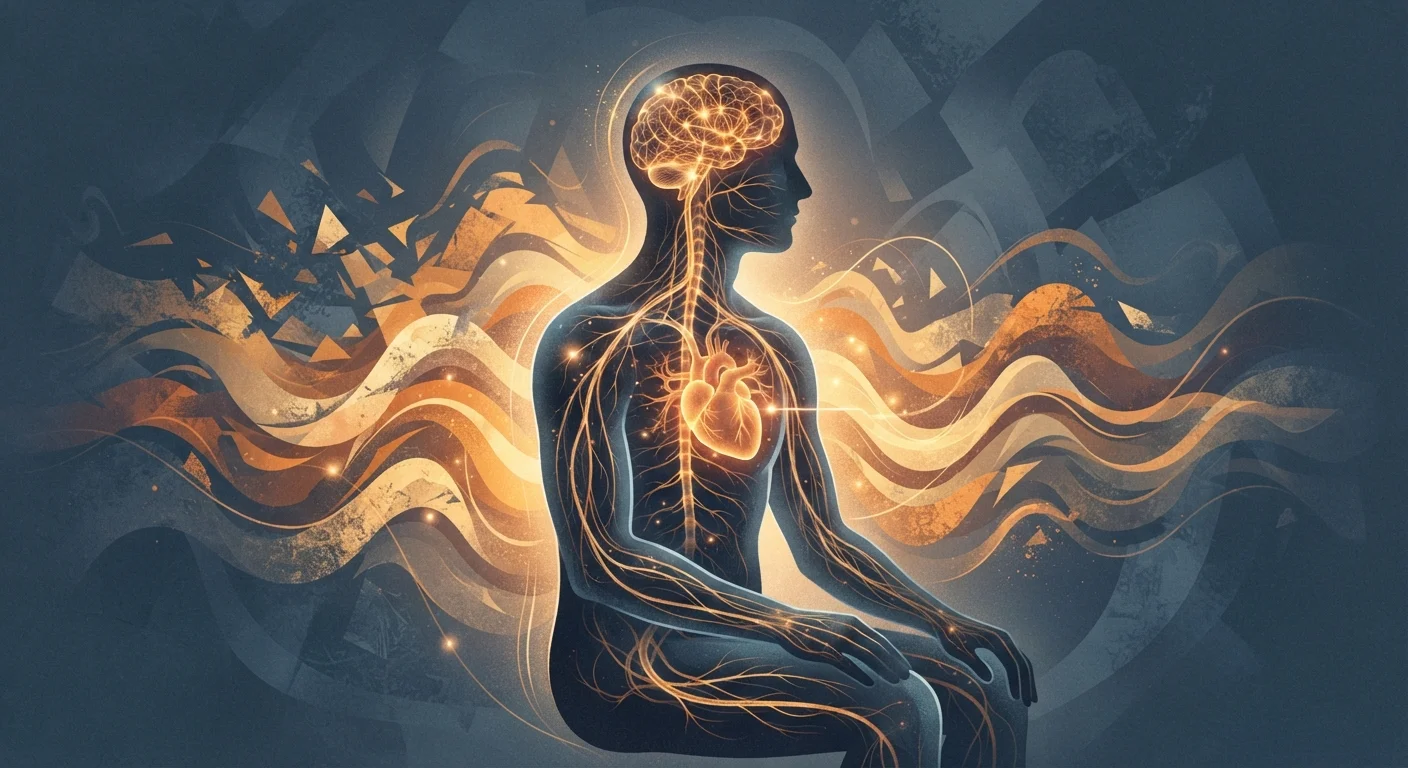
How the Stress Response Was Designed to Work
When the brain perceives a threat - whether a looming deadline or a sudden loud noise - it triggers an immediate physiological response. The hypothalamus signals the adrenal glands to release adrenaline and cortisol, collectively referred to as stress hormones. Heart rate rises, blood flow is redirected to muscles, and digestion slows. This fight-or-flight response is an adaptive survival mechanism refined over millennia.
In short bursts, this system works exactly as intended. Once the perceived threat passes, hormone levels drop, and the body returns to a resting state. The problem arises when that reset never comes - a reality for many Americans navigating financial pressure, caregiving demands, or work overload day after day.
77%
Adults who report physical symptoms of stress
According to the American Psychological Association's Stress in America survey, the majority of U.S. adults report experiencing physical symptoms they associate with stress.
3×
Higher cardiovascular risk linked to chronic stress
Research published in cardiovascular medicine journals has found that individuals with chronic occupational stress face approximately three times the risk of cardiovascular events compared to low-stress counterparts.
40%
Of Americans say stress increased over past year
The APA's Stress in America reports have consistently found that a substantial share of adults report worsening stress levels year over year, citing work, money, and health as leading sources.
What Happens When the Alarm Stays On
Persistent activation of the stress response places measurable strain on the body's major systems. Cortisol, when chronically elevated, acts as a disruptor rather than a protector.
- Cardiovascular system: Sustained high cortisol contributes to elevated blood pressure and promotes arterial inflammation, both recognized risk factors for heart disease.
- Immune system: Cortisol suppresses inflammatory signaling in the short term, but chronic exposure weakens the immune response, leaving the body less able to fight infection.
- Digestive system: Stress hormones slow gastric motility and alter gut microbiome composition, contributing to symptoms like bloating, cramps, and irritable bowel.
- Metabolic function: Elevated cortisol promotes fat storage - particularly around the abdomen - and impairs insulin sensitivity, increasing risk for type 2 diabetes over time.
- Brain structure and cognition: Research indicates that prolonged high cortisol can shrink the hippocampus and impair working memory and attention.
These are not isolated effects - they compound one another, which is why untreated chronic stress often precedes clusters of health issues rather than a single condition. The stress-sleep-mood cycle illustrates this compounding dynamic clearly.
“The brain and body are not separate entities. Chronic stress is not just a psychological experience - it is a whole-body event with measurable, lasting biological consequences.”
— Bruce McEwen, Neuroendocrinologist and researcher, Rockefeller University
Recognizing Chronic Stress in Your Own Life
Because chronic stress builds gradually, its physical symptoms are often normalized or attributed to other causes. Common physical signs include:
- Persistent fatigue that does not resolve with rest
- Frequent tension headaches or jaw clenching
- Recurring digestive discomfort without a clear medical cause
- Disrupted sleep - difficulty falling asleep, staying asleep, or waking unrefreshed
- Increased frequency of colds or infections
Behaviorally, people experiencing chronic stress often notice reduced motivation, irritability, or difficulty concentrating. These are not character flaws - they are measurable downstream effects of a body running on a sustained cortisol surplus.
A middle manager spends six months navigating repeated rounds of company layoffs. Even after the restructuring ends, she continues to experience elevated heart rate, frequent colds, and disrupted sleep.
A parent caregiving for an aging relative over several years begins experiencing persistent digestive problems and high blood pressure, despite no prior history of either.
A graduate student under years of academic pressure finds it increasingly difficult to retain information despite dedicating more time to studying.
Evidence-Based Ways to Reduce the Body's Stress Load
Understanding the biology of chronic stress points directly to strategies that work. No single intervention eliminates stress entirely, but several approaches have a meaningful evidence base for reducing cortisol levels and mitigating the physical toll.
Physical activity is among the most consistently supported tools. Regular moderate exercise reduces resting cortisol and promotes the release of endorphins and neurotrophic factors. The connection between physical activity and mood is well-documented and extends to stress regulation.
Social connection also plays a protective physiological role. Positive social interaction is associated with oxytocin release, which dampens the HPA axis response. Research reviewed in Social Connection as a Mental Health Resource shows that strong relationships correlate with lower baseline stress markers.
Sleep is both affected by stress and essential to recovery from it - making it a high-leverage target. Consistent sleep schedules and sleep hygiene practices can help interrupt the reinforcing cycle described in the stress-sleep-mood cycle.
When chronic stress feels unmanageable or is significantly affecting daily functioning, speaking with a licensed mental health professional or a primary care physician is an important next step. This article provides general health education and is not a substitute for personalized medical guidance.
It is also worth noting that chronic stress that goes unaddressed can escalate into burnout - a distinct but related condition. Understanding why willpower alone rarely resolves it is explored in Why Pushing Through Burnout Rarely Works.
This article is for informational and educational purposes only and does not constitute medical advice. Always consult a qualified healthcare professional for guidance specific to your health situation.
Frequently Asked Questions
The hypothalamic-pituitary-adrenal (HPA) axis remains activated, continuously releasing cortisol and adrenaline. This keeps the heart rate elevated, suppresses the immune system, and promotes inflammation. Over time, these effects strain multiple organ systems simultaneously.
Research consistently links chronic stress to increased risk of cardiovascular disease, weakened immune function, digestive disorders, and metabolic issues like type 2 diabetes. It is considered a significant contributor to many common health conditions, though it rarely acts as the sole cause.
Everyday stress is typically short-lived and resolves once the situation passes, allowing the body to return to baseline. Chronic stress persists for weeks or months - often without a clear endpoint - keeping the body's stress response in a prolonged activated state.
Common signs include persistent fatigue, frequent headaches, digestive upset, sleep disturbances, difficulty concentrating, and increased susceptibility to infections. Mood changes such as irritability or low motivation are also typical indicators worth discussing with a healthcare provider.
Yes. Sustained high cortisol levels have been shown to affect the hippocampus - a brain region involved in memory and learning - potentially impairing concentration and recall. Chronic stress also raises the risk of anxiety and depressive disorders.
Evidence-supported approaches include regular physical activity, consistent sleep habits, social connection, and mindfulness practices. For persistent or severe stress, consulting a licensed mental health professional is strongly recommended.
The content on this site is provided for informational purposes only and should not be considered a substitute for professional advice. While we strive to provide accurate and up-to-date information, we make no guarantees regarding its completeness or accuracy. Always consult a qualified professional for advice specific to your circumstances before making any decisions