

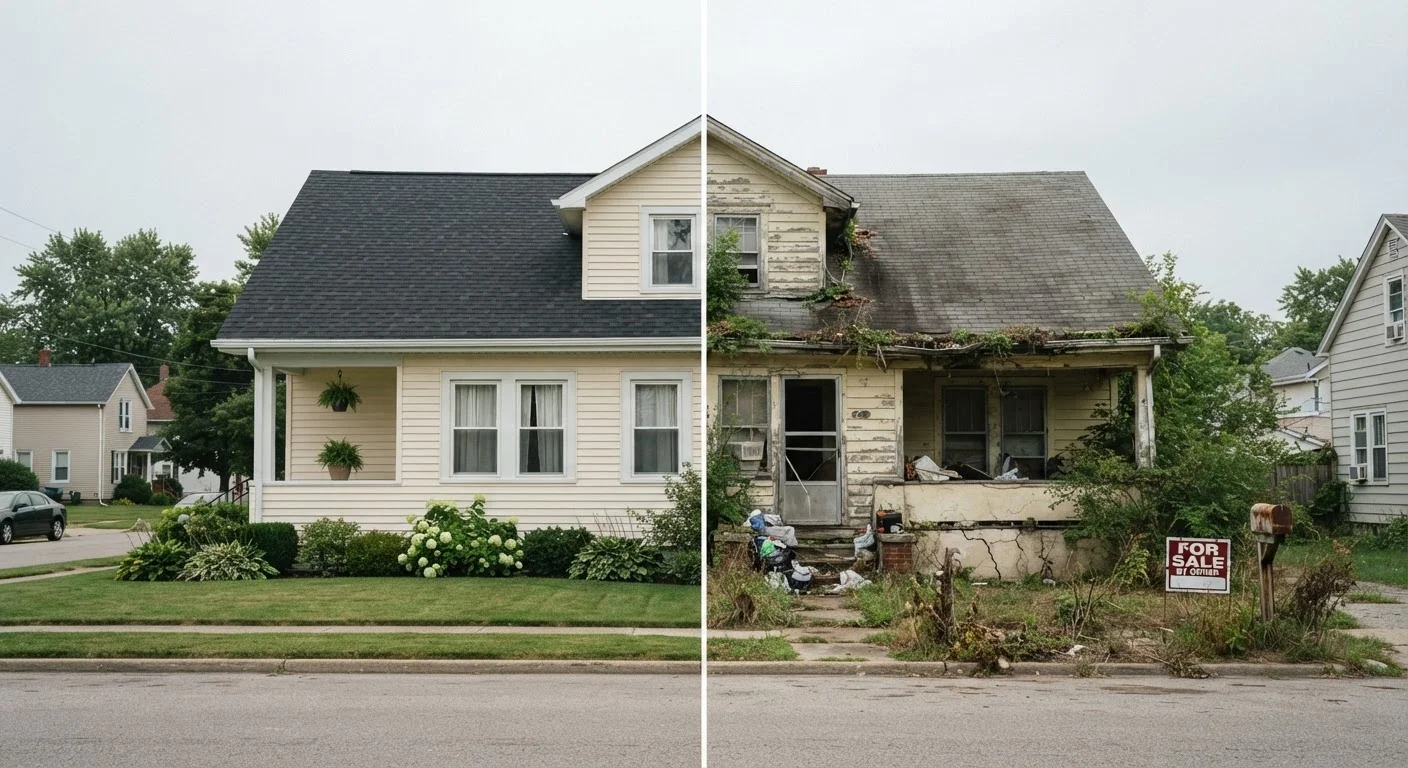
Why Postponing Repairs Always Costs More
Deferred maintenance is not a neutral choice - it is a compounding liability. Every home system operates in relationship with the others, and when one degrades unchecked, adjacent systems absorb additional stress. A cracked chimney cap allows water in, which saturates the flue liner, damages the firebox, and eventually compromises the surrounding framing. What begins as a few hundred dollars in masonry repair becomes a multi-thousand-dollar structural project.
This pattern holds true across virtually every home system: roofing, plumbing, HVAC, electrical, foundation, and exterior envelope. The myth that a problem can wait until it becomes obvious is one of the most financially damaging beliefs a homeowner can hold. Visible symptoms almost always lag significantly behind actual damage.
1%-4%
Recommended annual home maintenance budget as share of home value
Housing experts commonly advise setting aside between one and four percent of a home's value each year for routine upkeep and repairs.
~$10,000+
Typical cost of water damage remediation
Water damage and mold remediation projects routinely exceed ten thousand dollars when moisture has had time to penetrate structural materials, according to general contractor estimates.
Up to 10%
Potential reduction in resale value from visible deferred maintenance
Real estate appraisers and industry observers note that visible deferred maintenance can reduce a home's negotiated sale price by a meaningful margin, often several percent or more.
The financial case for proactive upkeep is straightforward. Routine maintenance is predictable and relatively affordable. Emergency repairs are neither. Beyond repair costs, deferred maintenance directly affects resale - as explored in our guide on factors that erode or protect home value.
The Most Costly Maintenance Mistakes Homeowners Make
The following mistakes are among the most common reasons homeowners face five-figure repair bills. Each one typically originates with a known issue that was deprioritized - not an unexpected failure. Recognizing these patterns is the first step toward breaking them.
Ignoring early warning signs like minor leaks, hairline cracks, or slow drains and assuming they will resolve on their own.
Why it happens: Early-stage problems rarely cause immediate disruption, so homeowners often rationalize that they can wait. The symptom seems cosmetic when the underlying cause is structural.
Skipping seasonal gutter cleaning and downspout maintenance, allowing debris buildup to redirect water toward the foundation.
Why it happens: Gutters are out of sight and easy to forget, and cleaning them is a chore most homeowners actively avoid, especially when no immediate damage is visible.
Deferring HVAC filter replacements and annual system servicing until the unit fails entirely.
Why it happens: A functioning HVAC system feels invisible, so servicing it seems unnecessary until performance degrades. Filter replacement is an easy task that simply gets forgotten.
Neglecting exterior caulking, paint, and weatherstripping, allowing moisture and air infiltration to accelerate wood rot and energy loss.
Why it happens: Exterior upkeep feels aesthetic rather than structural, leading homeowners to deprioritize it in favor of interior improvements that feel more impactful.
Delaying roof inspections after storms or simply waiting until a visible interior leak signals a problem.
Why it happens: Roofs are difficult to inspect safely without equipment, and homeowners assume that no interior symptoms mean no damage exists.
Small Leaks Become Structural Disasters
A slow roof leak or a dripping pipe under a sink may seem manageable, but water damage spreads silently inside walls and flooring. Mold growth can begin within 24 to 48 hours of moisture exposure, and remediation costs routinely run into thousands of dollars. Never leave a known water intrusion unaddressed, even temporarily.
If you are just establishing your maintenance routine, our guide on getting started with home maintenance provides a practical framework for seasonal scheduling and system-by-system prioritization.
Building a Habit That Protects Your Investment
The most effective antidote to deferred maintenance is not a single large effort - it is a consistent annual rhythm. Home systems respond well to regular attention and poorly to neglect punctuated by crisis intervention. A seasonal inspection checklist, even an informal one, creates accountability and catches emerging problems before they escalate.
Consider setting calendar reminders tied to season changes: fall prompts a furnace service call and gutter cleaning; spring prompts roof and exterior inspections; summer and winter are opportunities to check weatherstripping, window seals, and insulation integrity. This parallel approach mirrors what our automotive coverage describes in how skipping vehicle maintenance snowballs into costly repairs - the underlying principle of compounding neglect applies across any mechanical or structural system you own.
Investing a modest amount of time and money each year in routine upkeep is among the most reliable ways to protect the long-term value of your home and avoid the financial stress of emergency repairs.
This article is intended for general informational purposes only. Consult a licensed contractor or qualified home inspector before undertaking any significant repair or making decisions based on specific conditions in your home.
The content on this site is provided for informational purposes only and should not be considered a substitute for professional advice. While we strive to provide accurate and up-to-date information, we make no guarantees regarding its completeness or accuracy. Always consult a qualified professional for advice specific to your circumstances before making any decisions