

Why Home Value Isn't Static
Most homeowners think of their property's value as something that simply rises with the market. In reality, a home's worth is the product of dozens of overlapping forces - some driven by national economic conditions, others shaped by decisions made on your own block or inside your own walls. Understanding those forces is the first step toward protecting what is, for most Americans, their largest financial asset.
The factors below aren't exhaustive, but they represent the most consequential ones that housing market data and real estate professionals consistently point to. Some are within your control; others require awareness rather than action. Either way, knowing them helps you make smarter decisions over the years you own your home. For a deeper look at the economic and local forces at play, see what drives home values in your neighborhood.
Deferred Maintenance
Putting off routine repairs is one of the most common - and costly - ways homeowners unknowingly diminish their property's value. A small roof leak ignored for a season can become a structural problem within a few years. Deteriorating caulk around windows allows moisture intrusion that leads to mold. These issues don't stay contained; they compound.
Buyers and appraisers are trained to spot deferred maintenance, and what they find often translates directly into lower offers or required concessions at closing. The true cost of deferred maintenance is well-documented: postponed upkeep almost always costs more to fix later than it would have to address early.
Small repairs ignored for seasons become structural problems that cost multiples more to fix.
Neighborhood Trajectory
The quality of the surrounding neighborhood - and the direction it's heading - consistently ranks among the most influential value drivers. A well-maintained home in a declining area will still feel the drag of falling nearby comps. Conversely, a modest property in a neighborhood experiencing investment and infrastructure improvements can appreciate well beyond its intrinsic features.
Key indicators to watch include school district performance ratings, local crime trends, planned commercial development, and municipal budget health. These factors influence buyer demand and, by extension, what comparable homes sell for in your area.
A home's neighborhood trajectory can outweigh its own condition in shaping long-term value.
Energy Efficiency and Systems Modernization
Older, inefficient systems - HVAC, insulation, windows, water heaters - are increasingly flagged by buyers as liabilities rather than neutral features. As energy costs remain a household concern, buyers are paying closer attention to utility efficiency. Homes with updated, energy-efficient systems tend to appraise more favorably and attract more serious buyers.
This doesn't mean every homeowner should rush to replace functioning systems. But when replacements are due, choosing energy-efficient options is generally worth considering for both day-to-day cost savings and long-term resale positioning. Don't fall for home maintenance myths that cost homeowners money, such as the idea that newer homes don't require these upgrades.
Energy-efficient systems are increasingly viewed by buyers as value assets, not optional upgrades.
Environmental and Climate Risk Exposure
Flood zones, wildfire risk corridors, and areas with a history of severe weather events are experiencing measurable shifts in buyer sentiment and insurance costs. Properties in high-risk zones may face rising insurance premiums, lender scrutiny, and diminished buyer pools - all of which put downward pressure on value over time.
This doesn't mean properties in risk-prone areas are unsellable, but owners should be aware that environmental risk is now a data point that many buyers and their agents actively research. Mitigation investments - such as storm shutters, fire-resistant landscaping, or flood barriers - may help maintain appeal in affected markets.
Rising insurance costs and climate risk data are increasingly influencing buyer decisions and property valuations.
Curb Appeal and First Impressions
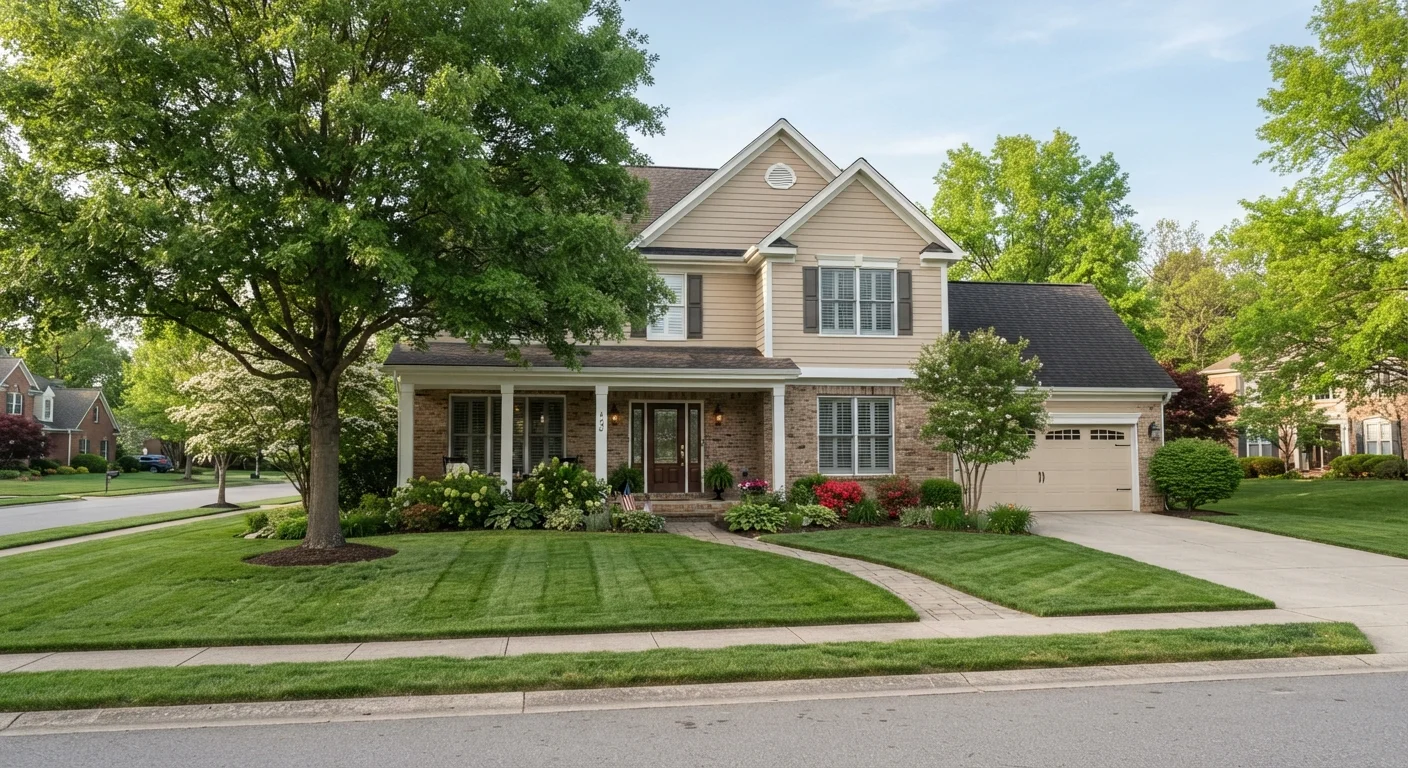
Research in behavioral economics consistently shows that first impressions influence perceived value. For homes, curb appeal - the exterior condition, landscaping, paint, and driveway - shapes how buyers feel about a property before they step inside. A home that looks neglected from the street often triggers lower offer prices regardless of interior quality.
Maintaining curb appeal doesn't require expensive landscaping. Regular lawn care, fresh exterior paint when needed, clean gutters, and a well-kept entryway are relatively low-cost measures that preserve the all-important first impression a home makes on the market.
Buyers form value perceptions before entering a home - curb appeal directly affects offer prices.
Functional Layout and Space Utilization
Buyers consistently prioritize functional floor plans over raw square footage. An awkward layout - bedrooms accessible only through other bedrooms, minimal storage, or a kitchen isolated from living areas - can suppress value even in an otherwise desirable property. Conversely, open-concept designs and flexible spaces tend to appeal to a broader buyer pool.
Major structural layout changes are expensive and don't always yield strong returns. However, smaller adjustments - like converting unused space into a home office or improving storage - can make a property feel more livable and competitive. The Home Improvement hub offers guidance on evaluating renovation decisions before committing.
An awkward floor plan can limit buyer interest just as effectively as visible physical damage.
Taking a Long View on Your Home's Worth
Home value is built - and eroded - gradually. The compounding effect of good maintenance habits, smart improvements, and neighborhood awareness tends to show most clearly at the moment of resale, when buyers and appraisers assess everything at once. Owners who stay informed and proactive generally find themselves in a far stronger position than those who treat their home as a passive investment.
For guidance on which projects are worth your budget, the Home Renovation ROI guide breaks down which upgrades tend to return value at resale and which are primarily for personal enjoyment. And for year-round upkeep strategies, the Home Maintenance hub is a practical starting point.
Track Your Home's Condition Annually
A simple annual walkthrough - inspecting the roof, foundation, HVAC, plumbing, and exterior - helps catch minor issues before they become expensive problems. Keeping a written log of repairs and improvements also creates documentation that can support your home's value during an appraisal or sale negotiation.
This article is for general informational purposes only and does not constitute financial, legal, or real estate advice. Consult a qualified real estate professional for guidance specific to your property and local market.
The content on this site is provided for informational purposes only and should not be considered a substitute for professional advice. While we strive to provide accurate and up-to-date information, we make no guarantees regarding its completeness or accuracy. Always consult a qualified professional for advice specific to your circumstances before making any decisions