

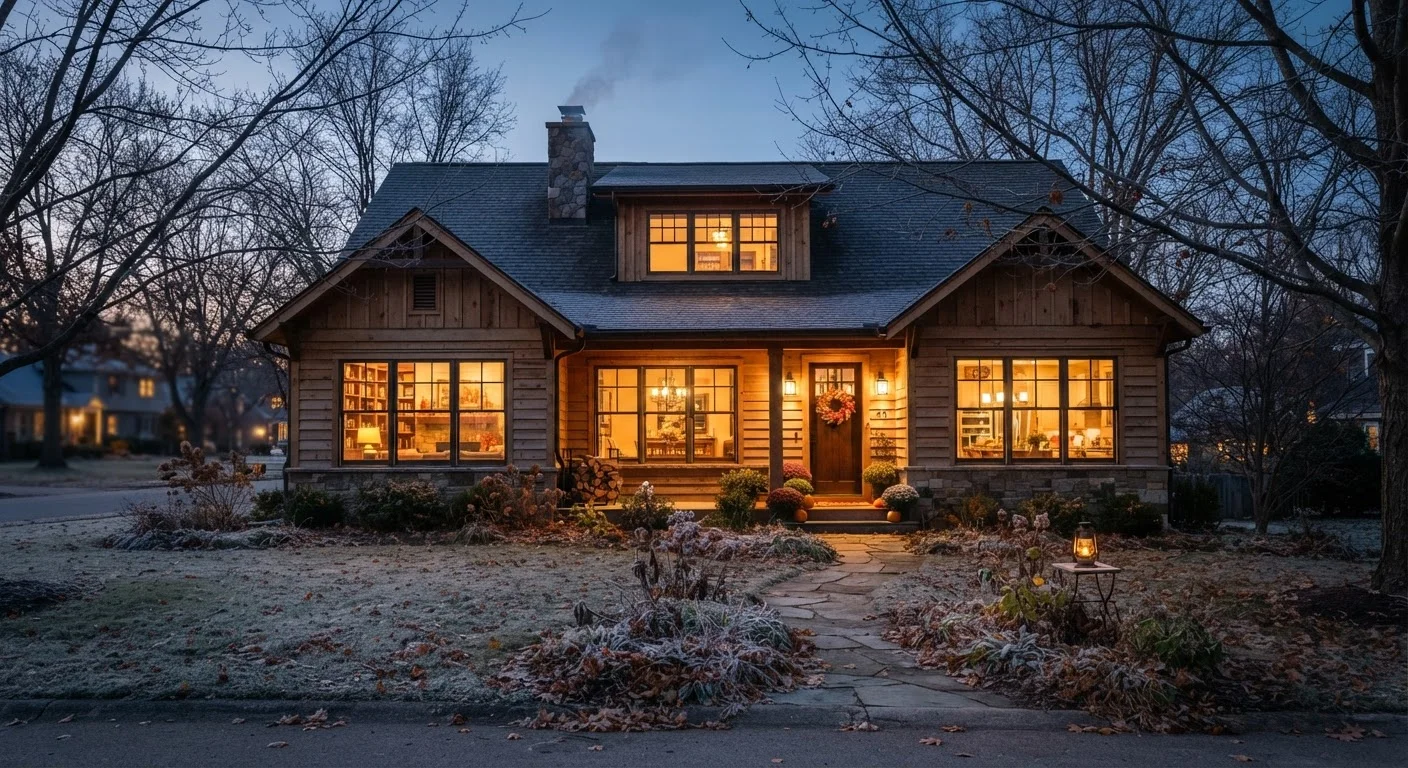
Why Winterization Is Worth the Effort
Freezing temperatures put real stress on a home's systems. Water expands when it freezes, and pipes that are not properly insulated can crack or burst, sometimes behind walls or in crawl spaces where the leak goes unnoticed for hours. A heating system that hasn't been maintained can fail during the coldest stretch of the year - precisely when repairs are hardest to schedule quickly. Drafty doors and windows don't just make rooms uncomfortable; they force your furnace to run longer and harder, driving up energy bills month after month.
The good news is that most winterization tasks are straightforward and well within reach for a homeowner with basic tools and a few hours to spare. If you're newer to home ownership, our introduction to home maintenance is a helpful starting point for understanding your home's core systems before you begin. For those who have completed these steps and are looking ahead, spring maintenance tasks are the natural follow-up once temperatures rise again.
Burst Pipes Can Cause Catastrophic Damage
A single burst pipe can release hundreds of gallons of water before it's discovered, causing structural damage and mold. Know where your home's main water shutoff valve is located before winter arrives. If you leave your home vacant during cold stretches, keep the thermostat set no lower than 55°F and consider shutting off the main supply and draining the lines.
What You'll Need
Pipe insulation foam sleeves
Wrap around exposed water pipes in unheated areas like crawl spaces, garages, and basements to prevent freezing.
Weatherstripping and door sweeps
Seal gaps at the bottom and sides of exterior doors to block cold air infiltration.
Caulk gun and exterior-grade caulk
Seal cracks and gaps around window frames, utility penetrations, and foundation sills.
Furnace filter (correct size for your unit)
Replace the existing filter to ensure efficient airflow and heating system performance.
Programmable or smart thermostat
Maintain consistent indoor temperatures and prevent pipes from freezing during temperature dips.
Attic insulation (batts or blown-in)
Add or top up insulation to reduce heat loss through the roof and prevent ice dams.
Leaf blower or compressor (for irrigation blowout)
Clear residual water from in-ground sprinkler lines before freezing temperatures arrive.
Before You Begin
What you will need
Step-by-Step Winterization Walkthrough
Work through the following steps methodically. It helps to do a full walk-through of your home first - exterior, attic, basement, and crawl space - to note problem areas before purchasing materials. Grouping tasks by location (all attic work together, all plumbing work together) saves time and reduces the chance of missing something.
Insulate exposed water pipes
Walk through every unheated area of your home - garage, crawl space, basement, and any exterior wall cavities - and identify pipes that run without insulation. These are most vulnerable to freezing. Measure the pipe diameter and purchase foam pipe sleeves or self-sealing insulation wrap in matching sizes. Slide the sleeves over each pipe and tape seams with foil tape. Pay special attention to pipes near exterior walls or in areas where temperatures drop below freezing overnight.
Drain and disconnect outdoor plumbing
Disconnect and store all garden hoses before the first freeze - water left in a hose can back up into the pipe and damage the spigot. Turn off the interior shutoff valve feeding each outdoor hose bib, then open the outside faucet to let residual water drain. If you have an in-ground irrigation or sprinkler system, have it professionally blown out with compressed air, or follow your system manufacturer's winterization procedure carefully. Leaving water trapped in irrigation lines commonly leads to cracked pipes and costly spring repairs.
Seal drafts at doors, windows, and penetrations
On a cold or windy day, move a lit stick of incense (or use your hand) slowly along door frames, window edges, and utility penetrations such as where pipes, cables, and ducts pass through exterior walls. Flickering smoke or a felt draft indicates a gap. Apply fresh weatherstripping to door frames where the old material is compressed or torn. Install door sweeps on the interior base of exterior doors with visible daylight beneath them. Use exterior-grade caulk to seal gaps around window frames, utility pipe entries, and foundation sill plates. Interior gaps around electrical outlets on exterior walls can be addressed with foam gaskets behind the faceplate.
Service your heating system
Replace your furnace or air handler filter with a clean one of the correct MERV rating for your system - check your owner's manual if unsure. A clogged filter forces your system to work harder and reduces heat output. Clear the area around your furnace or boiler of stored items, lint, and combustible materials. Test your thermostat by setting it five degrees above room temperature and confirming the system fires up within a few minutes. Check that all vents and registers throughout the home are unobstructed by furniture or rugs. If your system has not been professionally serviced within the past year, schedule a tune-up with a licensed HVAC technician before cold weather peaks.
Test smoke and carbon monoxide detectors
Heating season is the peak period for carbon monoxide incidents, as furnaces, fireplaces, and portable heaters all run more frequently. Press the test button on every smoke detector and carbon monoxide detector in your home. Replace batteries in any battery-operated units, even if they pass the test - cold temperatures can accelerate battery drain. Carbon monoxide detectors have a lifespan of roughly five to seven years; check the manufacture date on the back and replace any that are past their service life.
Check attic insulation and ventilation
Poor attic insulation allows heat to escape through the roof deck, raising energy bills and creating conditions for ice dams - ridges of ice that form at the eaves and can force water beneath shingles. From inside the attic, check that insulation covers the entire floor area without gaps and that it meets or exceeds the depth recommended for your climate zone (the U.S. Department of Energy publishes regional guidelines). Do not block soffit vents with insulation - these must remain clear to allow airflow that keeps the roof deck cold and prevents ice dams. If insulation is significantly below recommended levels, adding blown-in or batt insulation is a project where a licensed contractor can provide the most reliable result.
Reverse ceiling fans and inspect fireplace or wood stove
Most ceiling fans have a reverse switch that changes blade rotation to clockwise when viewed from below. Running a fan slowly in this direction during winter pushes warm air that has risen to the ceiling back down along the walls without creating a cooling breeze. Check the switch on the fan's motor housing and set it before cold weather arrives. If you have a wood-burning fireplace or stove, inspect the damper to confirm it opens and closes fully, and have the chimney cleaned and inspected by a certified chimney sweep if you plan to use it this season. Creosote buildup is a leading cause of chimney fires.
Build Winterization Into Your Annual Routine
The most effective approach is to treat winterization as a predictable part of your yearly calendar rather than a reactive scramble when temperatures drop. See our month-by-month home maintenance calendar for a full breakdown of seasonal tasks. Scheduling these steps in early to mid-autumn gives you time to order materials, hire professionals if needed, and avoid the rush that comes with the first cold snap.
While you're preparing your home for winter, it's worth noting that seasonal readiness applies to your vehicle as well. The seasonal vehicle preparation guide covers what to check on your car as temperatures drop, from tire pressure to battery health.
Heating System Work May Require a Professional
Inspecting and cleaning a furnace, boiler, or heat pump involves components that can pose fire, electrical, or carbon monoxide hazards if handled incorrectly. For anything beyond replacing a filter or checking a thermostat, schedule service with a licensed HVAC technician. Do not attempt to repair gas lines, heat exchangers, or electrical elements yourself.
The content on this site is provided for informational purposes only and should not be considered a substitute for professional advice. While we strive to provide accurate and up-to-date information, we make no guarantees regarding its completeness or accuracy. Always consult a qualified professional for advice specific to your circumstances before making any decisions