

Why an Independent Inspection Matters
A pre-purchase inspection (PPI) is an evaluation of a used vehicle conducted by a qualified mechanic who has no financial stake in the sale. It's one of the most effective safeguards available to used-car buyers, yet many people skip it - often because they feel rushed, uncertain how to arrange one, or assume a vehicle history report covers the same ground.
It doesn't. A vehicle history report tells you about past ownership, reported accidents, and title status. A hands-on inspection tells you about the car's current mechanical condition: what's worn, what's failing, and what's been repaired (sometimes poorly). These are very different things, and you need both. For a broader view of where the PPI fits into the overall buying timeline, see The Car-Buying Process, Start to Finish.
The inspection is especially important when buying from a private seller, where no warranty or return policy typically applies. That said, even certified pre-owned vehicles benefit from a third-party check - CPO programs vary widely in what they actually cover, as outlined in Certified Pre-Owned vs. Standard Used.
Best Practices for Arranging and Using a PPI
Getting a PPI done right requires more than just finding a mechanic. How you choose the inspector, what you ask them to check, and what you do with the results all determine how much value you actually get from the process.
Choose your own mechanic, not one suggested by the seller
A mechanic recommended by the seller has an inherent conflict of interest, even if unintentional. Independence is the entire point of a third-party inspection - the mechanic's only obligation should be to give you an accurate picture of the vehicle's condition.
Request a comprehensive, written inspection report
A verbal summary after a quick look is not a PPI. You need a documented checklist covering all major systems so you can review findings carefully, share them with someone knowledgeable, and reference them during negotiation.
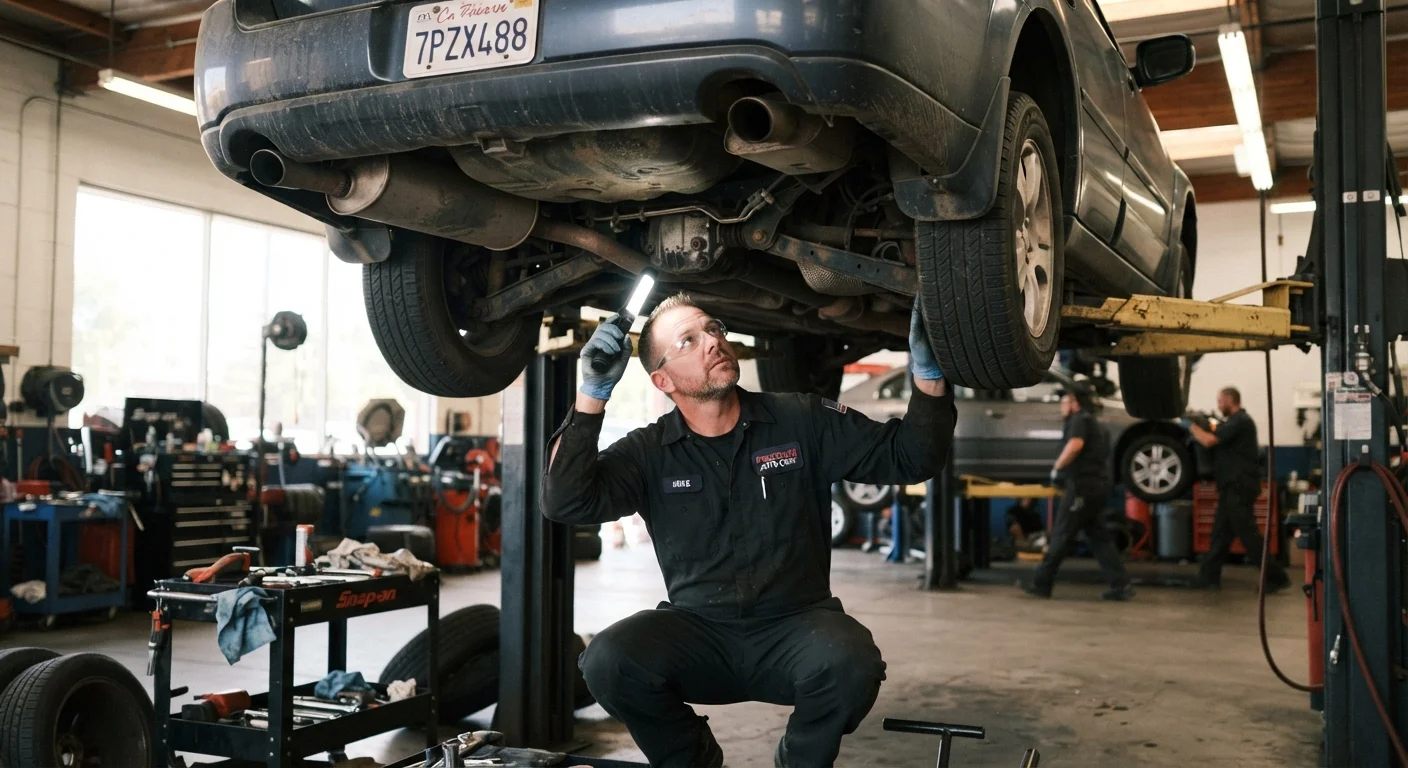
Request a lift inspection, not just a visual walkaround
Many serious issues - frame rust, oil leaks, worn control arm bushings, exhaust deterioration - are only visible from underneath the vehicle. A ground-level inspection misses these entirely.
Use a mobile inspection service when the car can't be driven to a shop
Private-party sellers may be reluctant to let a stranger drive their car to a shop, and some vehicles may not be in a condition to be driven far. Mobile mechanics who perform PPIs can come to the vehicle's location and still conduct a thorough evaluation.
Use the inspection report as a negotiating tool
A PPI doesn't have to end in a simple buy-or-walk decision. If the report identifies $800 in needed brake work or an aging timing belt, that information has real dollar value that can be used to renegotiate the asking price.
Quick Actions You Can Take Right Now
If you're actively shopping for a used vehicle, these steps can be put into motion immediately - before you've even found the car you want to buy.
The type of seller you're dealing with also affects how a PPI should be arranged. A dealership may require the car to stay on-site; a private seller may be more flexible but also harder to coordinate with. Understanding those dynamics upfront helps. The article Private Party, Dealership, or Auction: Where Used Cars Actually Come From covers what to expect from each buying channel.
Once you have the report in hand, review it alongside Before You Sign: A Pre-Purchase Checklist for Any Vehicle before committing to the purchase.
This article is for general informational purposes only. Always consult a qualified, licensed mechanic for advice specific to a vehicle you are considering purchasing.
The content on this site is provided for informational purposes only and should not be considered a substitute for professional advice. While we strive to provide accurate and up-to-date information, we make no guarantees regarding its completeness or accuracy. Always consult a qualified professional for advice specific to your circumstances before making any decisions