

Summary
18 items · 5-15 minutes
Why a Pre-Trip Check Is Worth the Two Minutes
Most drivers pull out of the driveway the same way every time: start the car, back out, go. It's a routine built on assumption - that the tires are fine, the lights work, and nothing has changed overnight. Often that assumption holds. But when it doesn't, the consequences range from an inconvenient roadside stop to a serious collision.
A structured pre-trip walkthrough doesn't require mechanical knowledge or special tools. It's a brief, repeatable habit that builds awareness of your vehicle's condition before a problem has a chance to develop into an emergency. Tire pressure issues, for example, are one of the most common and preventable causes of blowouts - and they're often invisible until you're already on the highway.
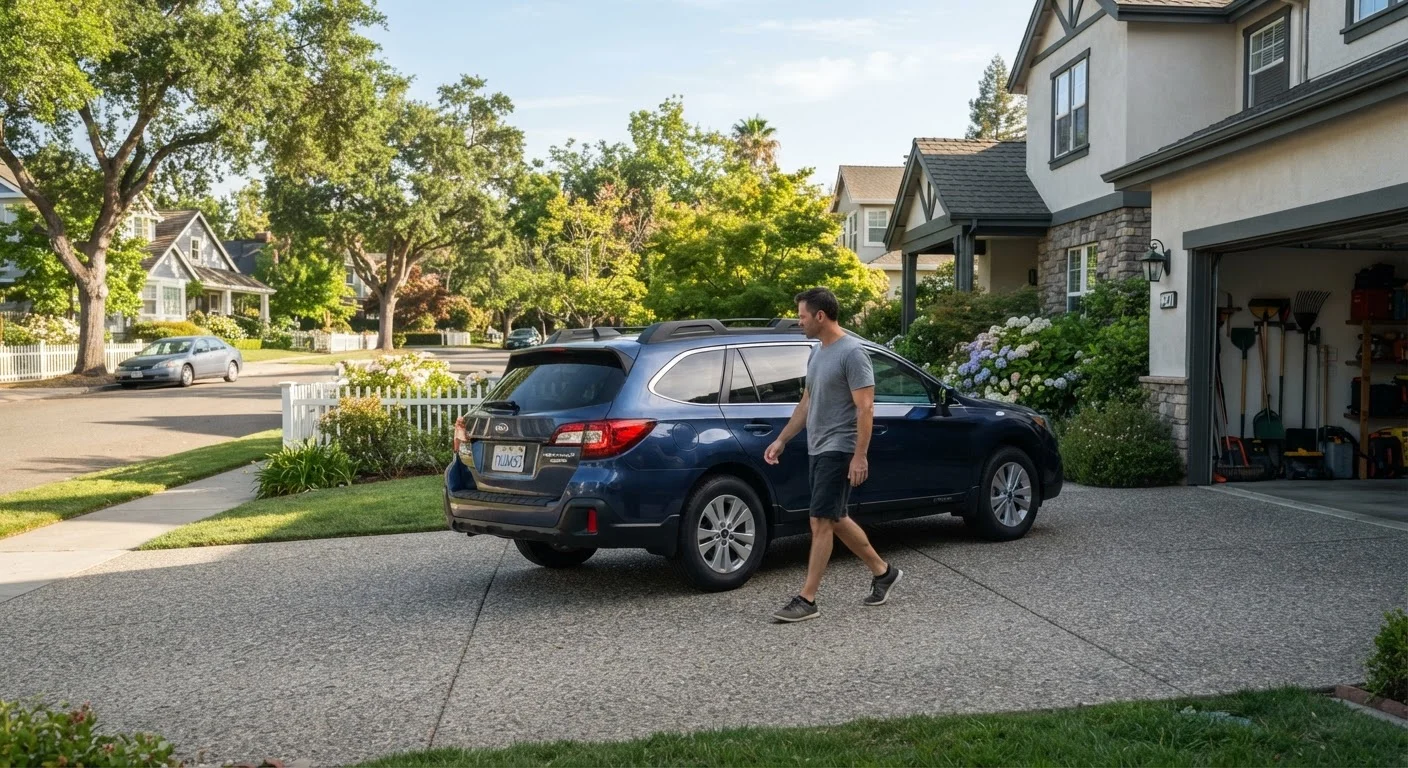
This checklist is designed for everyday drivers, not mechanics. Run through it before any trip - short or long - and you'll develop an accurate picture of your vehicle's road-readiness within minutes. For longer trips, pair it with the travel safety preparation checklist to make sure nothing slips through the cracks.
Walkaround Checks Protect More Than Just You
Pedestrians, cyclists, and other road users are at heightened risk from vehicles with faulty lighting or improperly secured loads. A consistent pre-trip check is not just a personal safety measure - it's part of responsible road use. Federal and state traffic laws hold drivers accountable for maintaining their vehicle in a roadworthy condition.
How to Use This Checklist
Work through each group in order. The outside-the-vehicle checks come first because they require you to be physically moving around the car - doing them before you get in keeps the sequence efficient. Dashboard checks come last because they require the ignition to be on.
Items marked must are non-negotiable safety steps. Items marked should are strongly recommended and worth building into your routine. Nice-to-have items add situational awareness but won't pose immediate risk if occasionally skipped.
For seasonal driving conditions - including cold-weather checks on your battery, coolant, and wiper fluid - see our guide on seasonal vehicle prep. And if you're concerned about brake performance before a long drive, understanding brake pad wear signs is a useful reference.
Tire Pressure Gauge
Verify actual tire pressure against the manufacturer-recommended PSI listed on your door jamb sticker.
Windshield Scraper / Ice Brush
Clear frost, snow, or ice from all windows and mirrors before driving in cold weather.
Flashlight or Phone Torch
Inspect under the vehicle or check brake lights solo when no assistant is available.
Vehicle Owner's Manual
Look up unfamiliar dashboard warning symbols quickly rather than guessing their severity.
Outside the Vehicle
Inside the Vehicle - Before Starting
Dashboard and Warning Indicators
Trip Readiness
Never Drive on a Visibly Flat Tire
Even a short distance on a flat tire can destroy the wheel rim and cause a dangerous loss of vehicle control. If a tire appears significantly deflated, inflate it to the correct pressure before driving or call for roadside assistance. Checking your TPMS light alone is not a substitute for a visual and manual inspection - sensors can fail or lag.
Dashboard Warning Lights Are Not Optional Reading
Some warning lights - particularly those for oil pressure, engine temperature, or brake system faults - indicate conditions that can cause immediate mechanical failure or safety hazards. If you see an unfamiliar or urgent-looking warning light at startup, consult your owner's manual before proceeding. Our guide on what your check engine light is actually telling you can help you decode common indicators.
Building the Habit That Keeps You Safer Long-Term
The goal of a pre-trip check isn't to turn every drive into a mechanical inspection - it's to build the kind of situational awareness that experienced drivers carry automatically. Over time, a walkaround habit sharpens your eye for anything out of the ordinary, whether that's a tire that looks lower than usual or a brake light that stopped working since yesterday.
This kind of proactive awareness pairs naturally with defensive driving principles - both are about reading conditions before they become problems, not reacting after the fact. Together, they form the foundation of low-stress, informed driving. The car maintenance hub is a reliable starting point if any item in this checklist reveals something that needs further investigation.
This article provides general vehicle safety information for educational purposes and does not constitute professional mechanical advice. If your vehicle has an active warning light, fluid leak, or suspected mechanical fault, consult a qualified mechanic before driving.
The content on this site is provided for informational purposes only and should not be considered a substitute for professional advice. While we strive to provide accurate and up-to-date information, we make no guarantees regarding its completeness or accuracy. Always consult a qualified professional for advice specific to your circumstances before making any decisions