

Our Verdict
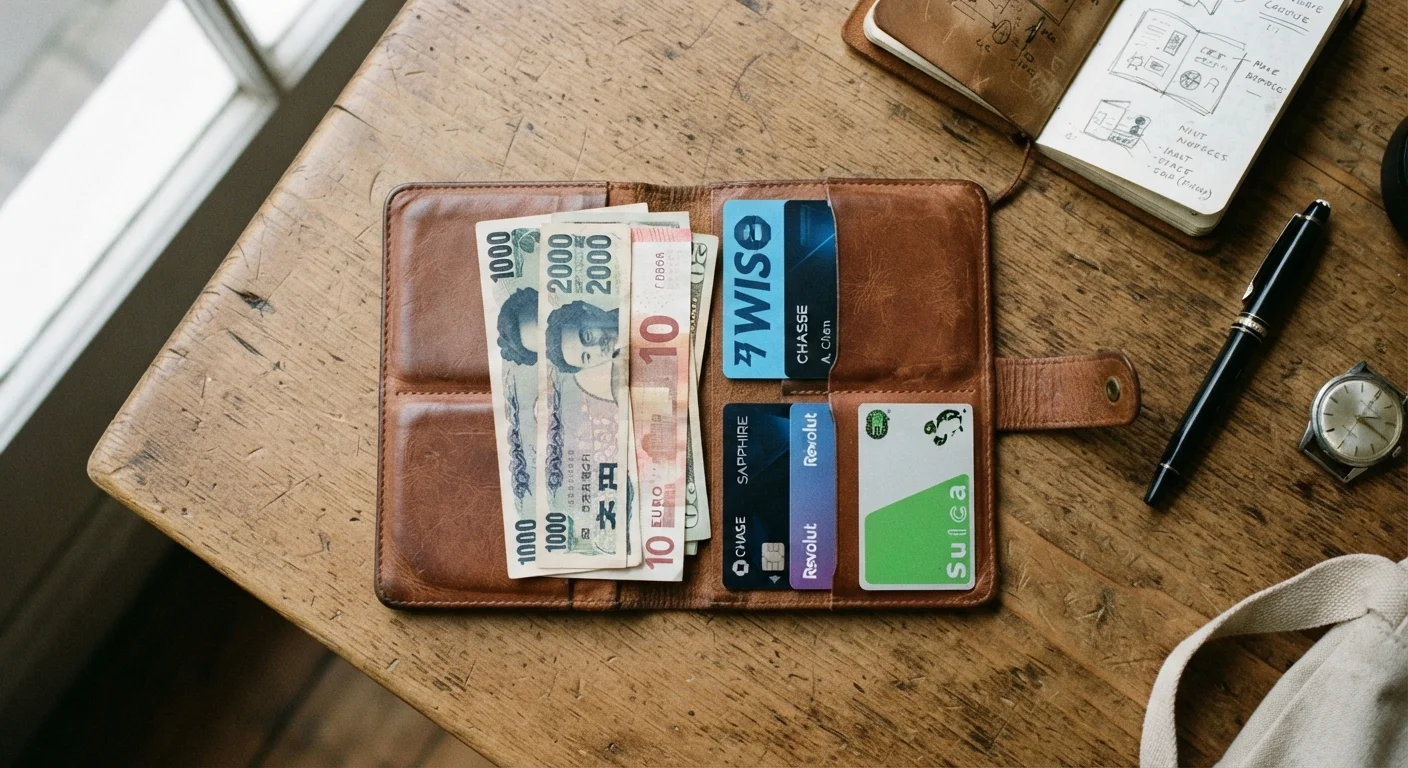
Neither cash nor cards is categorically safer - the right balance depends on your destination, trip length, and personal risk tolerance. A layered approach, carrying modest amounts of local cash for daily expenses while keeping cards as a backup and primary payment tool where accepted, offers the most practical protection. Always store them separately and plan for the failure of either option.
Travelers who want a practical, low-stress money strategy that doesn't leave them stranded if one payment method fails.
Why the Cash vs. Card Debate Matters for Traveler Safety
How you carry money while traveling isn't just a convenience question - it's a safety question. Theft, card skimming, ATM fraud, lost wallets, and frozen accounts are all real scenarios that travelers face, often in unfamiliar places with limited support networks. The method you choose determines not only how vulnerable you are in the first place, but how quickly you can recover if something goes wrong.
The answer isn't to pick one and abandon the other. It's to understand the specific risks each carries so you can manage them deliberately. For a broader look at how money management fits into extended trip planning, see the complete guide to managing money on an extended trip.
Accepted universally, including cash-only destinations
Many local markets, rural areas, and smaller vendors worldwide do not accept cards. Having local currency ensures you're never turned away from essential goods or services.
No technology dependency or connectivity required
Cash works without network coverage, functioning card readers, or electricity. In remote areas or during infrastructure outages, it remains the most reliable payment form.
No risk of skimming, account hacking, or card fraud
Physical cash cannot be electronically compromised. It eliminates exposure to ATM skimmers, point-of-sale tampering, and data breaches that card users face.
Promotes budget discipline through tangible spending
Paying with bills makes expenditure visible and immediate. Many travelers find it easier to track daily spending when they can physically see their remaining cash.
The Case for Cash: Real Advantages in the Field
Cash remains indispensable in many parts of the world. Rural areas, local markets, small guesthouses, and transportation hubs in many countries operate exclusively on paper money. Arriving without any local currency can leave you unable to pay for a taxi from the airport or a meal in a neighborhood restaurant.
There's also a psychological discipline to using cash. Spending physical bills tends to make travelers more aware of their daily expenditure - useful when managing a tight budget. And in destinations where card readers are rare or unreliable, cash removes the anxiety of a declined transaction.
1 in 6
Travelers who report card fraud or theft abroad
Industry surveys consistently indicate that payment fraud is among the most commonly reported financial incidents affecting international travelers.
~40%
Global transactions still conducted in cash
According to World Bank data, cash remains a dominant payment method in many developing and emerging economies, underscoring its continued necessity for travelers.
The Case for Cards: Protection and Flexibility
Modern payment cards - particularly those with chip-and-PIN technology and zero-liability fraud policies - offer recovery options that cash simply cannot. If your card is compromised, you can call your bank, freeze the account, and dispute fraudulent charges. If your cash is stolen, it's gone.
Cards also reduce the risk of carrying large sums. Many issuers allow you to set transaction alerts, geographic restrictions, and spending limits - all tools that create a real-time early warning system. Keeping your card details secure while traveling connects directly to broader digital safety habits; the digital security while traveling guide covers how to protect accounts and data on the road.
Lost or stolen cash is unrecoverable
Unlike fraudulent card charges, stolen or lost cash cannot be reported, traced, or refunded. The loss is immediate and permanent.
Carrying large amounts increases theft risk
Travelers who rely entirely on cash may need to carry several days' worth of funds, making them a higher-value target in areas with pickpocketing or street crime.
ATM withdrawals abroad carry their own risks
Skimming devices on foreign ATMs, dynamic currency conversion traps, and unsafe ATM locations create additional vulnerabilities that travelers must actively manage.
Exchange rate losses and fees can add up
Converting currency - especially at airports or tourist-area exchange counters - often comes with unfavorable rates and fees that erode your travel budget over time.
Practical Strategies for Balancing Both
The most resilient approach combines both payment methods stored in separate places. Keep a day's worth of local cash in an accessible pocket or small wallet, and store your cards - along with a small emergency cash reserve - in a more secure location such as a money belt or a locked bag compartment.
Before departure, notify your bank and card issuers of your travel dates and destinations. Verify that your cards work on the local network (Visa and Mastercard have broad international acceptance; others may not). Research whether your destination is predominantly cash-based, and plan your ATM withdrawals accordingly - withdrawing larger amounts less frequently reduces ATM exposure compared to frequent small withdrawals.
Solo travelers should be especially deliberate about this planning. The safety trade-offs between solo and group travel are worth understanding, since traveling alone means there's no travel companion to help if a card is declined or cash runs short. For a side-by-side look at payment strategies including fees and access, see carrying cash vs. using cards abroad.
Always Verify Entry and Currency Requirements
Some countries restrict how much foreign currency you can bring in or out, and a few destinations have limited ATM infrastructure or don't accept certain card networks. Before traveling, check official government travel advisories and your destination country's customs rules. Currency and payment conditions can change, so verify close to your departure date rather than relying solely on older travel guides.
The content on this site is provided for informational purposes only and should not be considered a substitute for professional advice. While we strive to provide accurate and up-to-date information, we make no guarantees regarding its completeness or accuracy. Always consult a qualified professional for advice specific to your circumstances before making any decisions