

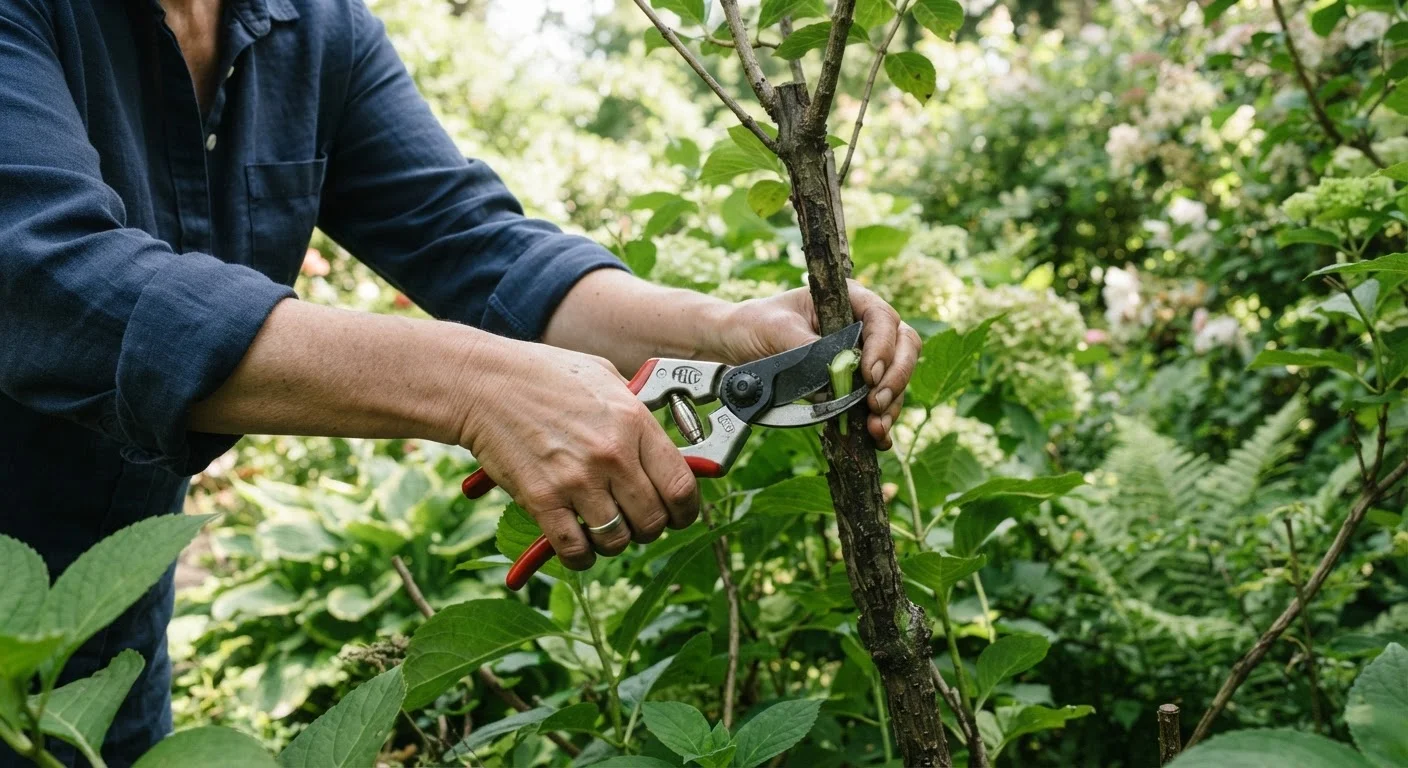
Why Timing Is Everything
Pruning is one of the most misunderstood garden tasks. Done at the right moment, it redirects a plant's energy into stronger stems, more flowers, and better structure. Done at the wrong time, it can strip away next season's buds or leave wounds that struggle to heal before cold weather arrives.
A basic rule of thumb: prune spring-blooming shrubs - such as lilac, forsythia, and azalea - immediately after they finish flowering. These plants set their flower buds the previous summer, so pruning in late winter or early spring removes those buds before they open. Conversely, summer-blooming shrubs like butterfly bush and rose of Sharon bloom on new growth produced in the current season, meaning late-winter or early-spring pruning actually encourages more flowers.
For most perennials, timing depends on whether you want winter structure and wildlife habitat. Many gardeners leave ornamental grasses, coneflowers, and black-eyed Susans standing through winter - the dried seed heads feed birds and add visual interest. Cut them back in early spring before new growth emerges from the base. See our Spring Lawn and Garden Readiness Checklist for a helpful framework to organize these tasks by priority.
Technique: Where and How to Make the Cut
Placement of each cut matters as much as timing. Follow these core principles to avoid common damage:
Cut just above an outward-facing bud or lateral branch at a slight angle
Cutting to an outward-facing bud directs new growth away from the center of the plant, improving airflow and preventing a crowded, disease-prone interior. A slight angled cut (around 45 degrees) sheds water away from the wound, reducing rot risk.
Disinfect pruning tools before moving between plants or working on diseased wood
Blades carry fungal spores, bacteria, and viruses from cut surfaces. Transferring these pathogens to healthy plants can spread problems like fire blight or botrytis across an entire bed within a single pruning session.
Never remove more than one-third of a plant's total growth in a single season
Plants store energy in their stems and leaves. Removing too much at once depletes those reserves faster than the root system can compensate, leading to stress, reduced blooming, and vulnerability to pests and disease.
Sharpen pruner blades at least once per season - more often with heavy use
Dull blades crush and tear tissue rather than slicing cleanly. Ragged cuts heal more slowly and create entry points for pathogens. Sharp tools also reduce hand fatigue and give you better control.
Remove dead, damaged, or crossing branches first before shaping for aesthetics
Starting with structural problems ensures that the plant's resources go toward healthy wood. Crossing branches create wounds where they rub together, and dead wood can harbor insects and disease.
For larger, woody shrubs with crossing or crowded branches, a technique called renewal pruning - removing the oldest, thickest stems at the base over two or three seasons - gradually rejuvenates the plant without shocking it. This approach works especially well for multi-stemmed shrubs like viburnum, spirea, and native ninebark. If you're incorporating native species into your yard, our overview of native plants vs. traditional landscaping covers maintenance considerations worth knowing.
Common Slip-Ups and How to Avoid Them
Even experienced gardeners make pruning mistakes. Here are the most frequent ones and what to do instead:
- Topping trees and shrubs: Cutting branches back to blunt stubs (called "topping") creates ugly, weak regrowth and exposes large wound surfaces to rot and pests. Always cut to a lateral branch or node.
- Pruning in late summer or early fall: This stimulates new tender growth that won't harden before frost, increasing winter dieback. Hold off until the proper seasonal window.
- Ignoring tool hygiene: Moving between plants with unsterilized tools can spread fungal diseases like powdery mildew or bacterial blights. Wipe blades with a diluted household disinfectant solution between cuts when working on diseased material.
- Over-pruning in one session: Removing more than about one-third of a plant's total canopy at once forces it to spend stored energy on recovery rather than roots and blooms.
Staying on top of pruning also fits naturally into a broader seasonal maintenance rhythm. Our month-by-month lawn and garden reference can help you slot pruning tasks into the right calendar windows for your region.
Tools Worth Knowing
You don't need a large collection of tools, but using the right one for each job protects both the plant and the gardener:
- Bypass pruners: The go-to for stems up to about three-quarters of an inch in diameter. The scissor-like action produces a clean cut with less crushing than anvil-style pruners.
- Loppers: Long-handled for leverage on stems up to about two inches thick - useful for the interior of overgrown shrubs.
- Pruning saw: For branches too thick for loppers. A folding pruning saw is easier to maneuver in tight spaces than a standard handsaw.
- Hedge shears: Reserve these for formal hedges and topiaries - not general shrub pruning, where targeted cuts produce better results.
When to Call a Certified Arborist
Pruning branches larger than about four inches in diameter, or any work near power lines or over structures, is best left to a licensed, insured professional. Certified arborists can also assess whether a struggling shrub or tree needs pruning, a different care approach, or removal. A single consultation can prevent costly mistakes on established plantings.
Well-maintained garden beds around pruned shrubs help retain soil moisture and suppress weeds during recovery. Our article on mulching your garden beds explains how to apply mulch correctly without causing stem rot or pest problems.
The content on this site is provided for informational purposes only and should not be considered a substitute for professional advice. While we strive to provide accurate and up-to-date information, we make no guarantees regarding its completeness or accuracy. Always consult a qualified professional for advice specific to your circumstances before making any decisions